



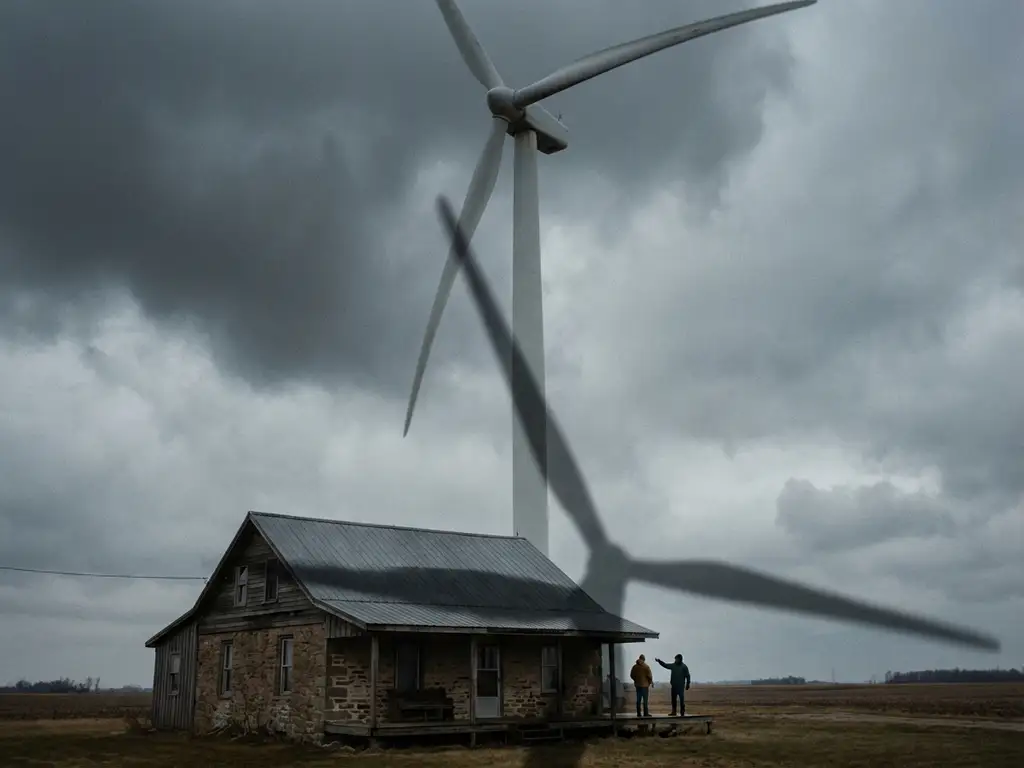
Who is liable for noise pollution from wind energy projects?
Noise pollution from renewable energy projects presents complex liability challenges for project developers, investors, and operators. As the renewable energy sector continues to expand globally, understanding who bears responsibility for acoustic impacts becomes crucial for effective risicobeheer and appropriate insurance coverage.
As renewable energy installations grow in scale and move closer to communities, noise-related complaints and potential liability claims require careful consideration during the planning and operational phases.
What constitutes noise pollution in wind energy projects?
Noise pollution in renewable energy projects refers to unwanted sound that exceeds regulatory limits or disturbs nearby residents and communities. This includes both audible noise above permitted decibel levels and low-frequency vibrations that can affect human comfort and health.
Several factors contribute to noise pollution in renewable energy installations. Mechanical equipment such as inverters, transformers, and cooling systems generates continuous operational noise. During construction, heavy machinery, pile driving, and transportation activities create temporary but significant noise impacts. Additionally, electrical equipment, including substations and power-conditioning units, produces ongoing humming or buzzing that may exceed acceptable limits.
Regulatory standards typically measure noise using A-weighted decibel levels (dBA) at property boundaries or sensitive receptors. Most jurisdictions set different limits for daytime and nighttime hours, recognizing that lower ambient noise levels at night make operational sounds more noticeable and potentially disruptive.
Who is legally responsible when renewable energy projects cause noise complaints?
Legal responsibility for noise pollution from renewable energy projects typically falls on the project owner or operator, though liability can extend to contractors, equipment manufacturers, and property owners, depending on the circumstances and contractual arrangements.
Project ownership structures determine primary liability. In most cases, the entity holding the operating license or land lease bears direct responsibility for compliance with noise regulations. However, liability can become complex in projects with multiple stakeholders, joint ventures, or power purchase agreements, where operational control may be shared or delegated.
Equipment manufacturers may face liability if noise levels exceed specifications or if design defects cause excessive sound. Engineering, procurement, and construction (EPC) contractors can be held responsible for installation errors that result in noise violations, particularly if sound-mitigation measures were not implemented in accordance with design specifications.
Property owners who lease land for renewable energy development may retain some liability exposure, especially if they knew, or should have known, about potential noise issues during the leasing process. Local authorities may also pursue enforcement actions against property owners when project operators cannot be reached or lack sufficient assets to address violations.
What are the regulatory requirements for renewable energy project noise levels?
Regulatory requirements for renewable energy project noise levels vary by jurisdiction but typically establish maximum decibel limits measured at property boundaries or sensitive receptors such as residences, schools, and hospitals. Most regulations specify different limits for daytime and nighttime operations.
Common regulatory frameworks include absolute noise limits, relative noise limits, and cumulative noise assessments. Absolute limits set maximum decibel levels regardless of background noise, typically ranging from 35–45 dBA at night and 45–55 dBA during daytime hours. Relative limits restrict project noise to a specified increase above ambient background levels, often 5–10 dBA above baseline measurements.
Many jurisdictions require pre-construction noise impact assessments and post-installation monitoring to verify compliance. These assessments must identify sensitive receptors within specified distances, measure baseline ambient noise levels, and model projected noise impacts from proposed equipment. Some regulations mandate ongoing noise monitoring during operations, particularly during the first year after commissioning.
Permitting processes often include public consultation periods during which community members can raise noise concerns. Regulatory authorities may impose additional conditions, such as setback requirements, operational time restrictions, or mandatory sound barriers, based on site-specific factors and community input.
How do insurance policies handle renewable energy noise liability?
Verzekeren coverage for renewable energy noise liability typically falls under general liability policies, though coverage can be limited and may require specific environmental liability endorsements or separate pollution liability policies to address gradual or ongoing noise pollution claims.
Standard general liability policies often exclude pollution-related claims, which can include noise pollution depending on policy language and jurisdiction. Many insurers classify ongoing noise emissions as gradual pollution, requiring specialized environmental liability coverage. This distinction becomes critical when noise complaints develop into formal legal action or regulatory enforcement.
Coverage considerations include the timing of noise complaints relative to policy periods. Claims-made policies cover only incidents reported during the active policy period, while occurrence-based policies may provide coverage for noise issues that began during the policy period but were reported later. Legal defense costs, remediation expenses, and third-party damages all require specific coverage provisions.
Risk assessment for noise liability insurance involves evaluating project location, equipment specifications, regulatory compliance history, and community relations. Insurers may require noise impact studies, ongoing monitoring programs, or specific mitigation measures as conditions of coverage. Premium calculations often reflect proximity to sensitive receptors and the local history of regulatory enforcement.
What happens when residents file noise complaints against renewable energy projects?
When residents file noise complaints against renewable energy projects, the process typically begins with investigations by local authorities, followed by formal noise measurements and potential enforcement actions that can include operational restrictions, financial penalties, or requirements for additional mitigation measures.
Initial complaint procedures usually involve local environmental health departments or planning authorities conducting site visits and preliminary noise assessments. Officials may use handheld sound meters to take immediate readings and determine whether further investigation is warranted. Residents often must document complaint details, including times, weather conditions, and specific noise characteristics.
Formal investigations include professional acoustic assessments using calibrated equipment and standardized measurement protocols. These studies typically measure noise levels at complainants’ properties under various operating conditions and compare the results with applicable regulatory limits. Investigation timelines can range from weeks to months, depending on complexity and resource availability.
Enforcement outcomes vary based on the severity of the violation and the regulatory framework. Minor exceedances may result in warning notices and voluntary compliance timelines, while significant violations can trigger immediate operational restrictions or shutdown orders. Financial penalties often increase for repeat violations or failure to implement required corrective measures.
Project operators facing noise complaints should promptly document operating parameters, conduct internal noise assessments, and engage qualified acoustic consultants. Proactive community engagement and transparent communication about investigation results and remediation efforts can help maintain stakeholder relationships during the complaint-resolution process.
How Solarif helps with renewable energy noise liability
Bij Solarif, we understand that noise liability represents a significant risk for renewable energy projects and requires specialized insurance coverage and proactive risk management. With over 15 years of experience in renewable energy insurance and risk management, we help project developers, investors, and operators protect against noise-related liability claims.
Our comprehensive approach to noise liability protection includes:
- Specialized environmental liability insurance that covers noise pollution claims excluded from standard policies
- Risk assessment services to identify potential noise issues during project development
- Coverage for legal defense costs, regulatory compliance expenses, and third-party damage claims
- Expert claims management support to navigate complex noise-complaint investigations
- Ongoing risk monitoring and mitigation recommendations to help prevent noise violations
Don’t let noise liability risks threaten your renewable energy investment. Contact our renewable energy insurance specialists today to discuss comprehensive liability protection tailored to your project’s specific acoustic risk profile and to help ensure your operations remain protected against noise-related claims.
Behoefte aan verzekeringen en Scope inspecties voor je BESS?
Neem vandaag nog contact met ons op als je meer wil weten over de mogelijkheden voor BESS verzekeringen en Scope inspecties.
E-mail: support@solarif.com
☎️ Telefoon: +31 (0)26 711 5050