



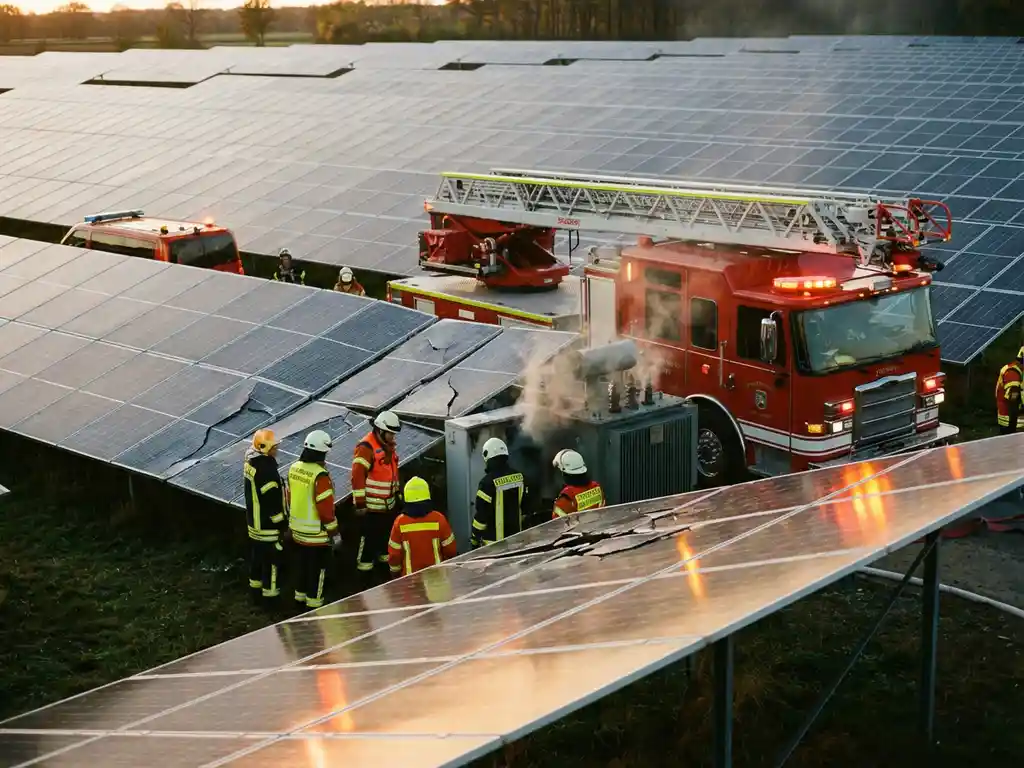
Wie betaalt de kosten van hulpverlening bij hernieuwbare energie-installaties?
Wanneer er noodgevallen optreden bij hernieuwbare energiecentrales, kunnen de kosten snel oplopen tot duizenden, of zelfs tienduizenden, dollars. Begrijpen wie verantwoordelijk is voor deze kosten van noodhulp is cruciaal voor projectontwikkelaars, investeerders en exploitanten in de zonne-energiesector. Van brandweerinzetten tot de opruiming van gevaarlijke stoffen, deze uitgaven kunnen de winstgevendheid van een project aanzienlijk beïnvloeden als er niet goed voor wordt gepland.
Noodhulpkosten bij installaties voor hernieuwbare energie vertegenwoordigen een complexe kruising van wettelijke aansprakelijkheid, verzekeringsdekking, en risicobeheer. Nu zonne-installaties en batterijopslagsystemen zich snel uitbreiden, is het begrijpen van deze financiële verantwoordelijkheden essentieel geworden om uw investering te beschermen en bedrijfscontinuïteit te waarborgen.
Wat zijn de kosten van noodhulp bij hernieuwbare energie-installaties?
Noodhulpkosten bij installaties voor hernieuwbare energie omvatten alle uitgaven die worden gemaakt wanneer hulpdiensten reageren op incidenten zoals branden, elektrische storingen, chemische lekkages of storingen van apparatuur. Deze kosten omvatten doorgaans brandweerdiensten, opruiming van gevaarlijke stoffen, medische noodhulp en gespecialiseerde technische assistentie die nodig is om het incident veilig in te dammen en op te lossen.
De omvang van de kosten van noodhulpverlening strekt zich uit verder dan de directe responsactiviteiten. Brandweerkorpsen kunnen kosten in rekening brengen voor apparatuurgebruik, persoonlijk personeel, schuim of andere blusmiddelen, en verlengde monitoringperiodes. Voor batterijopslagsystemen kunnen gespecialiseerde gevaarlijke stoffenteams nodig zijn om incidenten met thermische doorloop, giftige gassen of lekkende elektrolyten te beheersen.
Bijkomende kosten omvatten vaak verkeersregeldiensten, diensten voor noodontkoppeling van nutsbedrijven en vereisten voor milieureiniging. In gevallen waarbij batterij-energieopslagsystemen betrokken zijn, moeten hulpverleningsteams mogelijk langdurig ter plaatse blijven vanwege het risico op herontsteking, wat de totale kosten aanzienlijk verhoogt.
Wie is juridisch verantwoordelijk voor de kosten van noodhulpverlening?
Eigenaars en exploitanten van onroerend goed zijn doorgaans wettelijk aansprakelijk voor de kosten van noodhulp bij hernieuwbare energiecentrales onder de kostenverhaalwetten van de meeste rechtsgebieden. Deze verantwoordelijkheid vloeit voort uit het beginsel dat degenen die gevaarlijke omstandigheden creëren of beheersen, de financiële last moeten dragen van de noodhulp die nodig is om de openbare veiligheid te beschermen.
Veel gemeenten en brandweerkorpsen hebben programma's voor kostendekking ingesteld die hen in staat stellen om gebouweigenaren te factureren voor noodhulpdiensten. Deze programma's zijn ontworpen om de financiële last te verschuiven van de belastingbetaler naar de partijen die verantwoordelijk zijn voor het creëren van de noodsituatie.
Het wettelijk kader verschilt per locatie, maar de meeste rechtsgebieden maken onderscheid tussen verschillende soorten incidenten. Onopzettelijke branden of defecten aan apparatuur kunnen leiden tot kostenverhaal, terwijl incidenten veroorzaakt door criminele activiteiten of natuurrampen anders kunnen worden behandeld. Het begrijpen van lokale regelgeving is essentieel voor exploitanten van hernieuwbare energie om hun potentiële aansprakelijkheidsrisico's adequaat te beoordelen.
Dekt de verzekering de kosten voor noodhulp bij projecten voor hernieuwbare energie?
Standaardverzekeringen voor onroerend goed bieden vaak een beperkte dekking voor kosten van noodhulp, doorgaans variërend van $25.000 tot $100.000 per incident. Gespecialiseerde verzekeringen voor hernieuwbare energie verzekering beleid kan uitgebreidere dekking voor noodhulp bieden, inclusief langere monitoringsperioden die nodig zijn voor incidenten met batterijopslag.
De dekking varieert aanzienlijk tussen verzekeringsmaatschappijen en soorten polissen. Sommige polissen omvatten de kosten voor noodhulp als onderdeel van de basisdekking, terwijl andere specifieke bijlagen of clausules vereisen. Het belangrijkste is om precies te begrijpen wat de gedekte kosten voor noodhulp zijn onder de voorwaarden van uw specifieke polis.
Voor batterij-energieopslagsystemen wordt de verzekeringsdekking bijzonder complex vanwege de unieke risico's die gepaard gaan met incidenten van thermische runaway. Deze gebeurtenissen kunnen gespecialiseerde responsteams en langdurige monitoringperioden vereisen die standaard polislimieten kunnen overschrijden. Veel verzekeraars eisen nu uitgebreide veiligheidssystemen en regelmatige inspecties voordat ze dekking verlenen voor batterij-installaties.
Wat zijn de kosten van hulpdiensten bij zonneparken?
De kosten voor noodhulp bij zonne-energiecentrales variëren doorgaans van $5.000 tot $50.000 per incident, afhankelijk van de ernst en de duur van de hulpverlening. Interventies bij eenvoudige elektrische storingen kunnen tussen $5.000 en $15.000 kosten, terwijl complexe incidenten waarbij batterijopslagsystemen betrokken zijn, meer dan $100.000 kunnen bedragen vanwege gespecialiseerde apparatuur en uitgebreide monitoringvereisten.
De kosten van de brandweer bestaan vaak uit uurtarieven voor personeel en materieel, die kunnen variëren van $500 tot $2.000 per uur, afhankelijk van de ingezette middelen. Bij grote incidenten waarbij meerdere eenheden, gespecialiseerde schuimsystemen of teams voor gevaarlijke stoffen nodig zijn, zullen de kosten aanzienlijk hoger uitvallen.
Batterijopslagincidenten brengen unieke kostenuitdagingen met zich mee vanwege het potentieel voor herontsteking en de uitstoot van giftige gassen. Noodhulpteams moeten mogelijk een aanwezigheid van 24 tot 72 uur handhaven, waarbij de kosten gedurende de gehele monitoringsperiode oplopen. Gespecialiseerde thermische beeldapparatuur, gasmonitoringssystemen en gevaarlijke stoffencontainment kunnen aanzienlijke kosten toevoegen aan de totale responskosten.
Wat is het verschil tussen eerste- en derdenkosten in geval van nood?
Eerste- of eigen-partij noodkosten zijn uitgaven die worden gemaakt om de installatie voor hernieuwbare energie zelf te beschermen, zoals brandbestrijding om schade aan zonnepanelen of batterijsystemen te voorkomen. Derde-partij noodkosten ontstaan door de bescherming van naburige eigendommen of de openbare veiligheid, zoals het evacueren van nabijgelegen gebouwen of het beheersen van de uitstoot van gevaarlijke stoffen die het omliggende gebied zouden kunnen beïnvloeden.
Eerstepartijkosten zijn doorgaans gemakkelijker te beheren via een opstalverzekering en zijn over het algemeen voorspelbaar qua omvang. Dit kunnen bijvoorbeeld brandweerdiensten zijn voor het blussen van branden aan apparatuur, noodservices voor het verbreken van de stroomtoevoer, of onmiddellijke beveiligingsmaatregelen op de locatie.
Derdenkosten kunnen aanzienlijk complexer en duurder zijn, met mogelijk aansprakelijkheid voor evacuatiekosten, bedrijfsschade bij naburige eigendommen, of milieuopruiming die verder reikt dan de grenzen van de faciliteit. Deze kosten vallen vaak onder de dekking van aansprakelijkheidsverzekeringen in plaats van eigendomsverzekeringen, waardoor passende aansprakelijkheidslimieten cruciaal zijn voor exploitanten van hernieuwbare energie.
Hoe kunnen exploitanten van hernieuwbare energie de kosten van noodhulp minimaliseren?
Exploitatanten van hernieuwbare energie kunnen de kosten van noodhulp minimaliseren door middel van proactief risicobeheer, uitgebreide veiligheidssystemen en regelmatige onderhoudsprogramma's. Het installeren van geavanceerde brandblussystemen, thermische bewakingsapparatuur en geautomatiseerde uitschakelsystemen kan voorkomen dat kleine incidenten escaleren tot grote noodsituaties die uitgebreide hulpbronnen vereisen.
Regelmatige veiligheidsinspecties en onderhoudsprotocollen verminderen de kans op noodsituaties aanzienlijk. Voor zonne installaties, waaronder thermografische inspecties om hot spots te identificeren, elektrische systeemtests en vegetatiebeheer om brandrisico's te verminderen. Batterijopslagsystemen vereisen gespecialiseerde monitorsystemen om vroegtijdige tekenen van thermische runaway te detecteren.
Het ontwikkelen van noodplannen in samenwerking met lokale brandweerdiensten kan ook kosten besparen doordat hulpverleners de indeling van de faciliteit en specifieke gevaren begrijpen. Pre-incident planning maakt efficiëntere reacties mogelijk en kan helpen onnodige inzet van dure gespecialiseerde apparatuur te voorkomen.
- Implementeer uitgebreide branddetectie- en blussystemen
- Voer regelmatig thermografische inspecties uit om potentiële problemen te identificeren
- Houd duidelijke toegangswegen voor hulpverleningsvoertuigen vrij
- Relaties opbouwen met lokale hulpdiensten
- Installeer systemen voor externe monitoring voor vroege detectie van incidenten
Hoe Solarif helpt bij het beheersen van de kosten van noodhulp
Wij begrijpen dat de kosten van noodhulp de winstgevendheid van projecten voor hernieuwbare energie aanzienlijk kunnen beïnvloeden. Met onze gespecialiseerde verzekeringsoplossingen en expertise op het gebied van risicobeheer helpen we ontwikkelaars en exploitanten van zonne-energieprojecten zich te beschermen tegen deze onverwachte uitgaven, terwijl we zorgen voor een uitgebreide dekking voor alle soorten noodsituaties.
Onze aanpak voor kostenbeheer bij noodhulp omvat:
- Uitgebreide analyse van de verzekeringsdekking om hiaten in de noodhulp te identificeren
- Gespecialiseerde polissen, ontworpen voor hernieuwbare energie-installaties met adequate limieten voor noodhulpverlening
- Risicobeoordelingsdiensten om potentiële noodscenario's en preventiestrategieën te identificeren
- Scope 12 inspecties die helpen incidenten te voorkomen waarvoor een noodhulpactie nodig is
- Claims ondersteuning om een correcte afhandeling van de terugvordering van noodhulpkosten te waarborgen
Laat onverwachte kosten voor spoedeisende hulp uw investering in hernieuwbare energie niet bedreigen. Neem vandaag nog contact op met onze specialisten voor hernieuwbare energieverzekeringen om uw huidige dekking te beoordelen en te zorgen voor een uitgebreide bescherming tegen kosten voor spoedeisende hulp.
Behoefte aan verzekeringen en Scope inspecties voor je BESS?
Neem vandaag nog contact met ons op als je meer wil weten over de mogelijkheden voor BESS verzekeringen en Scope inspecties.
E-mail: support@solarif.com
☎️ Telefoon: +31 (0)26 711 5050