


Wat voorkomt onderhoudsbeurten dat er storingen in het zonnestelsel ontstaan?
Storingen in het zonne-energiesysteem kunnen aanzienlijke financiële verliezen, veiligheidsrisico’s en operationele downtime met zich meebrengen voor commerciële zonne-installaties. Het begrijpen van welke onderhoudspraktijken deze storingen voorkomen, is cruciaal voor projectontwikkelaars, investeerders en facility managers die hun investeringen in hernieuwbare energie willen beschermen en een consistente prestatie willen garanderen gedurende de 25-jarige levensduur van het systeem.
Effectieve preventief onderhoudsactiviteiten combineren regelmatige inspecties, proactieve monitoring en tijdige interventies om problemen op te lossen voordat ze uitmonden in kostbare storingen. De juiste onderhoudsstrategie verlengt niet alleen de levensduur van het systeem, maar zorgt ook voor een optimale energieproductie en naleving van de wettelijke vereisten. verzekering vereisten.
Wat zijn de meest voorkomende oorzaken van storingen in het zonnestelsel?
Foutmeldingen in het zonnestelsel komen meestal voort uit elektrische storingen, componenten die hun functie niet meer goed uitvoeren, milieuvervuiling en installatiefouten. Deze problemen kunnen alles van kleine prestatieverliezen tot volledige systeemstoppen veroorzaken. De meest voorkomende oorzaken zijn storingen aan de omvormers, degradatie van de panelen en probleemgebruik van de bedrading.
Elektrotechnische storingen vormen de belangrijkste oorzaak van storingen in zonne-energie systemen. Storingen aan omvormers vormen een aanzienlijk deel van deze problemen, aangezien deze kritieke componenten DC-stroom van de zonnepanelen omzetten naar AC-stroom voor de elektriciteitsnetten. Omvormers bevatten complexe elektronica die gevoelig zijn voor temperatuurschommelingen, vochtigheid en stroomstoringen. Wanneer omvormers defect raken, kunnen hele systeemdelen offline gaan, wat aanzienlijke productieverliezen met zich meebrengt.
De degradatie van de panelen vindt op natuurlijke wijze na verloop van tijd plaats, maar kan versnellen als gevolg van omgevingsfactoren. Microkraters in zonnecellen, veroorzaakt door thermische cycli of mechanische belasting, verminderen de stroomproductie en kunnen leiden tot hete plekken. Delaminatie, waarbij beschermende lagen losraken van de zonnecellen, brengt de panelen bloot aan vocht en zorgt voor verdere degradatie.
Problemen met de bedrading en aansluitingen vormen ernstige risico's voor de veiligheid en prestaties. Losse verbindingen veroorzaken warmte en kunnen tot boogstoringen leiden, wat mogelijk tot branden kan leiden. De corrosie van elektrische verbindingen, vooral in kustgebieden, verhoogt de weerstand en vermindert de efficiëntie van het systeem. Een slechte kabelbeheer tijdens de installatie kan leiden tot schade aan de bedrading door UV-straling of fysieke belasting.
Milieufactoren dragen aanzienlijk bij aan systeemfouten. Extreme weersomstandigheden zoals hagel, harde wind of blikseminslagen kunnen onmiddellijke schade veroorzaken. Langdurige blootstelling aan zoutlucht, stofophoping of vegetatiegroei kan geleidelijk aan de componenten van het systeem beschadigen en de prestaties verminderen.
Hoe vaak moeten zonnepanelen worden geïnspecteerd op mogelijke problemen?
Commerciële zonne-installaties moeten jaarlijks worden onderworpen aan professionele inspecties, waarbij kwartaalinspecties door het personeel van de installatie worden uitgevoerd. Deze inspectiefrequentie helpt bij het identificeren van zich ontwikkelende problemen voordat deze tot systeemstoringen leiden, terwijl tegelijkertijd verzekeringsvereisten en optimale prestatieniveaus worden gehandhaafd.
Jaarlijkse professionele inspecties bieden uitgebreide systemenanalyses die door opgeleide technici kunnen worden uitgevoerd. Deze gedetailleerde evaluaties omvatten elektrische tests, thermische beeldvorming en visuele inspecties van alle systeemcomponenten. Professionele inspecteurs kunnen problemen zoals losse aansluitingen, paneeldefecten of problemen met de omvormer opsporen die onervaren personeel mogelijk zou hebben overgeslagen.
Kwartelijk visuele inspecties door het personeel van de installatie dienen als een systeem voor vroegtijdige waarschuwing tussen professionele bezoeken. Deze controles moeten zich richten op duidelijke tekenen van schade, ophoping van puin, groei van vegetatie of storingen aan apparatuur. Het personeel kan de display van de omvormer controleren, fysieke schade aan panelen of montage-systemen opsporen en ervoor zorgen dat er een goede toegang tot de apparatuur is.
Beoordelingen van het maandelijkse monitoringsysteem vormen een aanvulling op fysieke inspecties door trends in de prestatiegegevens te analyseren. Plotselinge dalingen in de energieproductie, ongebruikelijke foutmeldingen of inconsistentie in de prestatiepatronen kunnen erop wijzen dat er zich ontwikkelende problemen voordoen die onmiddellijke aandacht vereisen.
Veel verzekeraars eisen regelmatige inspecties als voorwaarde voor de dekking, vooral voor commerciële installaties. Deze vereisten specificeren vaak jaarlijkse professionele inspecties en kunnen een onmiddellijke melding van eventuele vastgestelde problemen verplichten. Het niet naleven van de juiste inspectieplannen kan de verzekering ongeldig maken en de systeembeheerders financieel blootstellen.
Welke onderhoudswerkzaamheden kunnen eigenaren van zonnestelsels zelf uitvoeren?
Eigenaars van zonne-energieinstallaties kunnen eenvoudig basisinspecties uitvoeren, systeemprestatiegegevens monitoren, puin verwijderen en de vegetatie rondom de installaties beheren. Deze routine-taken helpen bij het opsporen van duidelijke problemen en het handhaven van optimale werkomstandigheden, zonder dat gespecialiseerde technische expertise of apparatuur nodig is.
Visuele inspecties vormen de basis voor onderhoud dat door de eigenaar wordt uitgevoerd. Systemenbeheerders moeten regelmatig controleren op gebarsten of beschadigde panelen, losse bevestigingsonderdelen en tekenen van inbraak of nesten van dieren. Het inspecteren van de display van de omvormer op foutcodes of ongewone waarden helpt om problemen met de prestaties vroegtijdig te identificeren.
De prestatiebewaking via dashboards in het systeem of mobiele apps stelt eigenaren in staat om de energieproductie te volgen en mogelijke problemen te identificeren. Door de dagelijkse, wekelijkse en maandelijkse productiegegevens te vergelijken met historische prestaties en weersomstandigheden, kunnen afnemende prestatiepatronen worden opgemerkt die professionele aandacht vereisen.
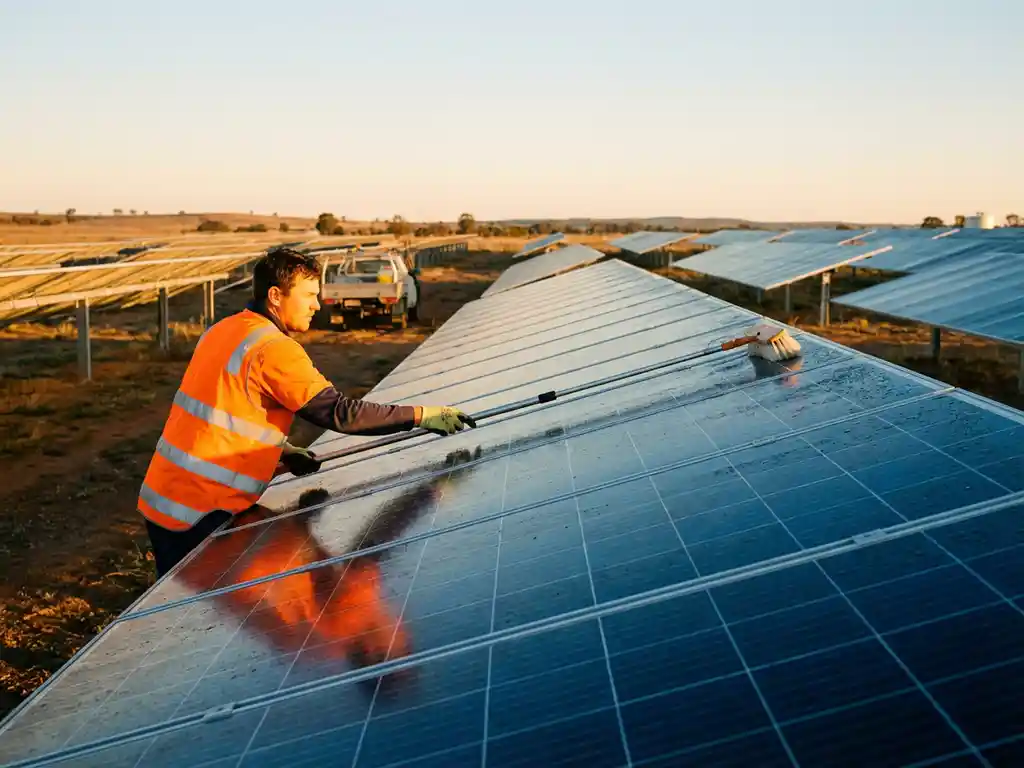
Basisreiniging en het verwijderen van vuil kan een aanzienlijke invloed hebben op de prestaties van het systeem. Eigenaren kunnen bladeren, takken en andere afvalstoffen veilig verwijderen van de panelen en rondom de apparatuur, mits ze de juiste veiligheidsvoorschriften volgen. Uitgebreide reiniging of werkzaamheden waarbij toegang tot het dak nodig is, moeten echter door professionals worden uitgevoerd.
Het beheer van de vegetatie rondom op het grondoppervlak geplaatste systemen voorkomt schaduw en zorgt ervoor dat de apparatuur toegankelijk blijft. Regelmatige trimming van gras, struiken of bomen die schaduw kunnen vormen voor de panelen of de werking van de apparatuur is essentieel om de maximale prestaties te behouden.
Het documenteren van alle onderhoudswerkzaamheden, inclusief foto's van eventuele geïdentificeerde problemen, ondersteunt verzekeringsclaims en helpt professionele technici bij het begrijpen van de systeemgeschiedenis tijdens onderhoudsbezoeken. Het bijhouden van gedetailleerde gegevens toont zorgvuldigheid en kan garantieclaims versnellen wanneer problemen zich voordoen.
Hoe beïnvloedt regelmatige reiniging de prestaties en levensduur van zonnepanelen?
Regelmatige reiniging kan de prestaties van zonnepanelen in de meeste omgevingen met 5–15% verbeteren, terwijl het ook de levensduur van het systeem verlengt door corrosieve ophoping en het ontstaan van hete plekken te voorkomen. De impact verschilt aanzienlijk afhankelijk van de lokale klimaatcondities; stoffige of vervuilde omgevingen vertonen de grootste verbeteringen in prestaties bij een regelmatige reiniging.
De ophoping van stof en puin vermindert de lichtdoorlaatbaarheid van zonnecellen, waardoor de stroomproductie direct afneemt. Zelfs dunne lagen stof kunnen al aanzienlijke verliezen in de prestaties veroorzaken. Zware vervuiling door vogelpoep, pollen of industriële verontreinigingen kan echter een aanzienlijke afname van de productie veroorzaken. In landbouwgebieden kunnen stof en gewasresten bijzonder veeleisende schoonmaakvereisten opleveren.
De frequentie van het schoonmaken hangt sterk af van de omgevingsomstandigheden. Stadsinstallaties in de buurt van snelwegen of industriële installaties kunnen vanwege vervuiling en fijnstofmaatschappelijk schoonmaken nodig hebben. Landelijke installaties hebben meestal eenmaal per drie tot zes maanden behoefte aan schoonmaak, terwijl installaties in omgevingen met regelmatige regenval slechts een jaarlijkse professionele reiniging nodig hebben.
Doortreffende reinigingsmethoden voorkomen schade aan het paneel en maximaliseren tegelijkertijd de efficiëntie. Het gebruik van geëlimineerd water en zachte borstels of sproeiers voorkomt het krassen van paneeloppervlakken. Heftige chemicaliën, schurende materialen of hogedrukwas kunnen de anti-reflectiecoating beschadigen en de garantie van de fabrikant ongedaan maken. Reiniging tijdens de koelere ochtenden of avonduren voorkomt thermische schokken bij het aanbrengen van koud water op hete panelen.
Professionele schoonmaakdiensten bieden gespecialiseerde apparatuur en expertise voor grote commerciële installaties. Deze diensten gebruiken gezuiverde watersystemen, geschikte schoonmaakmiddelen en veiligheidsuitrusting voor het bereiken van daken. Professionele schoonmakers kunnen ook potentiële problemen tijdens schoonmaakoperaties opsporen, waardoor er extra waarde wordt toegevoegd aan het systeembeheer.
Wanneer schoonmaken van cruciaal belang is voor de levensduur van het systeem
Bepaalde soorten vuil vormen een groter risico voor de gezondheid van het systeem op de lange termijn dan andere soorten. Vogelskippen bevatten zuren die de panelen kunnen aantasten als ze niet worden verwijderd. Zoutafzettingen in kustgebieden kunnen corrosie veroorzaken aan bevestigingsmiddelen en elektrische aansluitingen. Industriële verontreinigingen kunnen chemische reacties veroorzaken die paneellak volledig beschadigen.
Wat voorkomen professionele onderhoudsdiensten de meest kostbare storingen?
De testen van het elektrische systeem, de thermische inspecties en het onderhoud van de omvormers voorkomen de meest kostbare storingen aan zonnestelsels. Deze professionele diensten identificeren gevaarlijke elektrische storingen, oververhitte componenten en problemen met de omvormer voordat deze branden, schade aan de apparatuur of een langere onderbreking van het systeem veroorzaken die tientallen duizenden dollars kunnen kosten.
De test van het elektrische systeem identificeert potentieel gevaarlijke situaties die kunnen leiden tot brand of elektrische schokken. Professionele technici gebruiken gespecialiseerde apparatuur om de isolatieweerstand, de aardingsbeveiliging en de arc-fault-detectie-systemen te meten. Deze tests kunnen achteruitgang van de bedrading, losse aansluitingen of defecte beschermingsapparaten aan het licht brengen voordat ze tot catastrofale storingen leiden.
Thermische inspecties met infraroodcamera’s detecteren oververhitte componenten die aan het ontwikkelen zijn van problemen. Infraroodcamera’s tonen hotspots aan op panelen, oververhitte elektrische aansluitingen en defecte omvormercomponenten aan. Vroegtijdige detectie van thermische problemen maakt het mogelijk om gerichte reparaties uit te voeren voordat componenten volledig defect raken, waardoor zowel veiligheidsrisico’s als dure noodreparaties worden voorkomen.
Het onderhoud en de monitoring van omvormers voorkomen de meest voorkomende oorzaken van systeemstoringen. Professionele technici kunnen de firmware updaten, koelingssystemen reinigen, de elektrische aansluitingen controleren en verouderende onderdelen vervangen voordat ze defect raken. Omdat omvormerstoringen hele secties van het systeem kunnen uitschakelen, biedt proactief onderhoud de hoogste rendabiliteit.
Strukturele beoordelingen zorgen ervoor dat montageoplossingen veilig en conform de voorschriften blijven. Professionele ingenieurs kunnen montageapparatuur, dakbevestigingen en laadstations controleren op tekenen van corrosie, losraken of structurele spanningen. Deze beoordelingen voorkomen catastrofale structurele storingen die zowel het zonnestelsel als het gebouw waarop het is gemonteerd, kunnen beschadigen.
Specialisatievereisten voor inspectie
Veel commerciële installaties vereisen gespecialiseerde inspecties om de verzekeringdekking te behouden. Hoewel Scope 12-inspecties niet wettelijk verplicht zijn, eisen de meeste verzekeraars deze voordat zij dekking verstrekken aan commerciële installaties. Deze uitgebreide veiligheids- en kwaliteitsinspecties zorgen ervoor dat de systemen voldoen aan de verzekeringsvereisten en potentieel risico's op aansprakelijkheid worden geïdentificeerd.
Hoe kunnen monitoringsystemen problemen detecteren voordat ze tot storingen leiden?
Geavanceerde monitoringsystemen detecteren problemen door real-time prestatieanalyse, geautomatiseerde waarschuwingen voor systeemonafhankelijkheden en voorspellende analyses die zich ontwikkelende problemen identificeren. Deze systemen kunnen een achteruitgang van de prestaties, storingen aan apparatuur en veiligheidsrisico's detecteren dagen of weken voordat deze tot volledige systeemstoringen leiden.
Real-time performance monitoring vergelijkt de werkelijke energieproductie met de verwachte output op basis van weersomstandigheden en de historische prestaties. Plotselinge dalingen in de productie, ongebruikelijke stroomcurves of inconsistentie in de prestaties tussen de verschillende delen van het systeem kunnen erop wijzen dat er problemen aan de gang zijn. Geavanceerde systemen kunnen problemen isoleren op specifieke panelen, strings of inverters, waardoor gerichte onderhoudsacties kunnen worden uitgevoerd.
Geautomatiseerde waarschuwingssystemen waarschuwen operators onmiddellijk wanneer kritische grenswaarden worden overschreden. Deze waarschuwingen kunnen onder meer inverterstoringen, aardingsfouten, detectie van boogfouten of communicatiefouten omvatten. De onmiddellijke melding maakt een snelle reactie op veiligheidsrisico's mogelijk en minimaliseert productieverliezen door storingen aan apparatuur.
Voorspellende analyses gebruiken machine learning-algoritmen om patronen te identificeren die voorafgaan aan storingen van apparatuur. Door historische prestatiegegevens, weerspatronen en het gedrag van apparatuur te analyseren, kunnen deze systemen voorspellen wanneer componenten waarschijnlijk zullen falen en proactieve onderhoudsplannen aanbevelen.
Milieubewaking biedt een extra laag bescherming door de toezicht te houden op omstandigheden die de prestaties en levensduur van het systeem beïnvloeden. Temperatuursensoren, vochtigheidsmeters en meetwaarden voor de windsnelheid helpen operators om de milieuomstandigheden op de componenten van het systeem te begrijpen en de onderhoudstijd te optimaliseren.
De integratie met gebouwbeheersystemen biedt een uitgebreid toezicht op de installatie. Wanneer zonnemonitorsystemen verbinding maken met andere gebouwsystemen, kunnen operators de prestaties van de zonnepanelen koppelen aan de algehele energieverbruikspatronen en optimalisatiekansen identificeren die onnodige systeemschokken voorkomen.
Hoe Solarif helpt bij het onderhoud van zonne-systemen en het voorkomen van storingen
We bieden uitgebreide risicobeheer oplossingen die kostenintensieve storingen aan zonnestelsels helpen voorkomen door gespecialiseerde verzekeringen, professionele inspecties en deskundige risicobeoordelingstjänsten. Onze aanpak combineert verzekeringsovereenkomsten met proactieve onderhoudsdiensten om ervoor te zorgen dat uw zonne De investeringen blijven veilig en rendabel.
Onze diensten omvatten:
- Scherpte 12 veiligheidsinspecties door door SCIOS gecertificeerde inspecteurs die de installatieveiligheid en -kwaliteit grondig evalueren
- Specialiseerde garantie voor zonne-energie dat beschermt tegen storingen aan apparatuur, bedrijfsinterrupties en aansprakelijkheidsrisico's
- Risicobeoordelingsdiensten dat potentiele defecten opspoort voordat ze tot dure problemen leiden
- Certificering van zonnepanelen volgens de Solarif-norm dit verhoogt de betrouwbaarheid van het systeem en biedt toegang tot een uitgebreidere garantie.
Met meer dan 15 jaar ervaring en een verzekerde capaciteit van 3,8 GW begrijpen wij de essentiële onderhoudseisen die storingen in het systeem voorkomen en uw investering beschermen. Ons team werkt samen met u om uitgebreide onderhoudsstrategieën te ontwikkelen die aan de verzekeringsvereisten voldoen en tegelijkertijd de systeemprestaties optimaliseren.
Bescherm uw zonne-energie-investering met professioneel risicobeheer. Neem vandaag nog contact op met onze experts om te bespreken hoe onze inspectiediensten en gespecialiseerde verzekeringsovereenkomsten kostbare storingen kunnen voorkomen en ervoor zorgen dat uw project op de lange termijn succesvol blijft.
Behoefte aan verzekeringen en Scope inspecties voor je BESS?
Neem vandaag nog contact met ons op als je meer wil weten over de mogelijkheden voor BESS verzekeringen en Scope inspecties.
E-mail: support@solarif.com
☎️ Telefoon: +31 (0)26 711 5050