


Hoe voorkomt u waterschade aan zonneapparatuur?
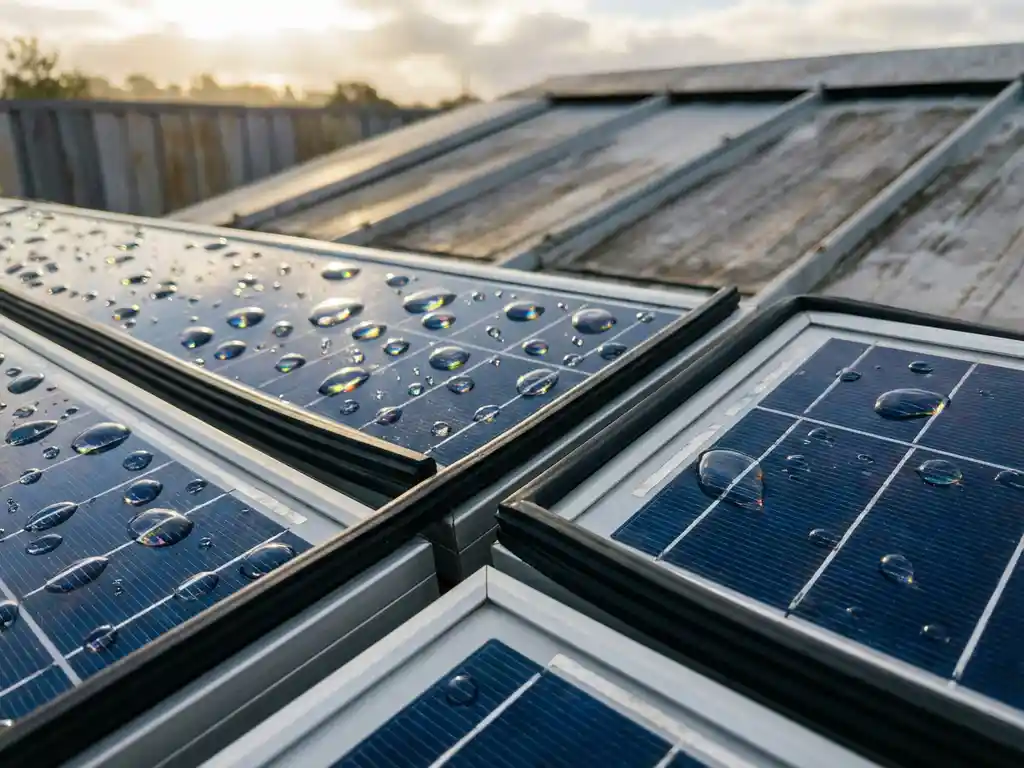
Waterschade vormt een van de grootste bedreigingen voor zonneapparatuur, met potentieel kostbare reparaties, systeemuitval en veiligheidsrisico's tot gevolg. Zonne-installaties worden voortdurend blootgesteld aan regen, sneeuw, vochtigheid en extreme weersomstandigheden die elektrische componenten kunnen aantasten en de systeemprestaties kunnen verminderen. Begrijpen hoe u uw zonne-investering tegen waterschade kunt beschermen,.
Effectieve preventie van waterschade vereist een alomvattende aanpak die kwetsbare componenten aanpakt, de juiste waterdichtingsmaatregelen implementeert en regelmatige onderhoudsprotocollen vaststelt. Door proactief stappen te ondernemen om uw zonneapparatuur te beschermen tegen binnendringend vocht, kunt u dure reparaties vermijden en een consistente energieopbrengst handhaven gedurende de operationele levensduur van uw systeem.
Wat veroorzaakt waterschade aan zonneapparatuur?
Waterschade in zonneapparatuur ontstaat voornamelijk door het binnendringen van vocht in elektrische componenten, corrosie van metalen onderdelen en degradatie van afdichtingsmaterialen. De meest voorkomende oorzaken zijn onvoldoende afdichting rond aansluitkasten, beschadigde kabelverbindingen, slechte installatiepraktijken en natuurlijke slijtage van waterdichte materialen in de loop van de tijd.
Verschillende specifieke factoren dragen bij aan waterschade in zonne-installaties. Onjuiste installatietechnieken laten vaak openingen in de afdichting over, waardoor water kan binnendringen. Kabelingangen zijn bijzonder kwetsbare gebieden waar vocht elektrische behuizingen kan binnendringen. Extreme weersomstandigheden, zoals hagel, hevige regenval of cycli van bevriezen en ontdooien, kunnen beschermende afdichtingen aantasten en nieuwe toegangspunten voor water creëren.
Leeftijdsgerelateerde achteruitgang speelt ook een belangrijke rol bij de vatbaarheid voor waterschade. UV-blootstelling breekt geleidelijk rubberen pakkingen en afdichtingsmiddelen af, terwijl thermische cycli uitzetting en samentrekking veroorzaken die microscheurtjes kunnen creëren in beschermende barrières. Bovendien kan fysieke schade door onderhoudsactiviteiten of omgevingsfactoren de integriteit van waterdichte behuizingen aantasten.
Hoe maak je zonnepanelen en montagesystemen waterdicht?
Waterdichting van zonnepanelen en montagesystemen omvat het gebruik van geschikte afdichtingsmiddelen, pakkingen en weerbestendige behuizingen op alle aansluitpunten, gecombineerd met correcte installatietechnieken die waterophoping voorkomen. Belangrijke waterdichtingsmaatregelen zijn onder meer het aanbrengen van afdichtingsmiddelen van maritieme kwaliteit rond montageperforaties, het gebruik van IP-geclassificeerde junction boxes en het zorgen voor een goede kabelbeheer met druppellussen.
Het montagesysteem vereist speciale aandacht om te voorkomen dat dakdoorvoeren waterdoorlatende punten worden. Flensmateriaal moet correct rond de montagepunten worden geïnstalleerd, met voldoende overlapping en afdichting om water weg te leiden van de doorvoeren. Roestvrijstalen of aluminium montagemateriaal is bestand tegen corrosie en behoudt de structurele integriteit in natte omstandigheden.
Elektrische componenten hebben uitgebreide bescherming nodig door meerdere verdedigingslagen. Junction boxes moeten voldoen aan IP65 of hogere classificaties om binnendringen van vocht te voorkomen. Kabelverbindingen vereisen de juiste trekontlasting en weerbestendige connectoren die ontworpen zijn voor buitengebruik. DC- en AC-scheiderschakelaars moeten worden ondergebracht in NEMA-geclassificeerde behuizingen die geschikt zijn voor de installatieomgeving.
Regelmatig onderhoud van waterdichtingssystemen zorgt voor voortdurende bescherming. Afdichtingsmiddelen moeten jaarlijks worden geïnspecteerd en indien nodig opnieuw worden aangebracht. Pakkingen en O-ringen in elektrische behuizingen vereisen periodieke vervanging om hun afdichtende eigenschappen te behouden. Goede drainage rondom apparatuur voorkomt stilstaand water dat door beschadigde afdichtingen zou kunnen binnendringen.
Zonnepanelen zelf kunnen beschadigd raken door water, met name door bevriezing en ontdooiing. Ook de omvormer kan gevoelig zijn voor vocht, vooral als deze niet goed is afgedicht. Daarnaast kunnen de bevestigingssystemen, kabels en connectoren worden aangetast door corrosie door water.
De meest kwetsbare onderdelen van een zonne-energiesysteem voor waterschade zijn elektrische aansluitpunten, waaronder junction boxes, combiner boxes, omvormers en kabelingangen waar vocht kan binnendringen en kortsluiting of corrosie kan veroorzaken. Deze componenten bevatten gevoelige elektronica die onmiddellijk kan uitvallen bij contact met water of geleidelijke degradatie kan ondergaan door blootstelling aan vochtigheid.
Junctiekasten aan de achterkant van zonnepanelen zijn kritieke kwetsbare punten. Deze behuizingen bevatten elektrische verbindingen die volledig droog moeten blijven om veilig te functioneren. Zelfs kleine hoeveelheden vocht kunnen boogfouten, aardfouten of een volledige systeemuitschakeling veroorzaken. De bypassdioden in de junctiekasten zijn bijzonder gevoelig voor waterschade en duur om te vervangen.
Inverters lopen aanzienlijke risico's op waterschade vanwege hun complexe elektronische componenten en meerdere aansluitpunten. Stringomvormers die buiten zijn gemonteerd, vereisen robuuste, weerbestendige behuizingen, terwijl micro-omvormers die onder panelen zijn bevestigd, voortdurend worden blootgesteld aan vocht door condensatie en neerslag. Power optimizers hebben vergelijkbare kwetsbaarheden en kunnen catastrofaal falen wanneer water hun behuizingen binnendringt.
Kabelverbindingen door het hele systeem creëren talrijke potentiële faalpunten. DC-verbindingen tussen panelen, AC-verbindingen naar omvormers en aardingsverbindingen vereisen allemaal weersbestendige bescherming. Gecorrodeerde verbindingen kunnen 'hot spots' creëren, de systeemprestaties verminderen en brandgevaar opleveren. Monitoring systemen en communicatieapparatuur bevatten ook gevoelige elektronica die kwetsbaar is voor vochtschade.
Hoe vaak moet u zonne-apparatuur controleren op waterschade?
Zonne-apparatuur moet minstens twee keer per jaar op waterschade worden geïnspecteerd, meestal voor en na perioden met extreem weer, met aanvullende inspecties na grote weersomstandigheden zoals hagelbuien, hevige regenval of vries-dooicycli. Commerciële installaties kunnen frequentere inspecties vereisen op basis van de eisen van verzekeraars en de kritieke aard van het systeem.
Driemaandelijkse visuele inspecties kunnen vroege tekenen van waterschade identificeren voordat deze uitgroeien tot grote problemen. Deze inspecties moeten zich richten op het.
Jaarlijkse uitgebreide inspecties moeten een gedetailleerd onderzoek van alle elektrische verbindingen, het testen van aardlekbeveiligingssystemen en thermische beeldvorming omvatten om hotspots te identificeren die op waterschade aan componenten kunnen duiden. Professionele inspecties kunnen problemen detecteren die tijdens routine visuele controles niet zichtbaar zijn en de naleving van veiligheidsnormen waarborgen.
Op het weer getriggerde inspecties worden noodzakelijk na zware gebeurtenissen die de integriteit van het systeem in gevaar kunnen brengen. Hagelschade, harde wind of overstromingen vereisen een onmiddellijke beoordeling om aangetaste afdichtingen of beschadigde onderdelen te identificeren. Vroege detectie en reparatie voorkomen dat kleine problemen escaleren tot grote systeemstoringen.
Wat moet u doen als u waterschade in uw zonne-energiesysteem ontdekt?
Als u waterschade ontdekt aan uw zonne-energiesysteem, schakel het systeem onmiddellijk uit bij de hoofdschakelaar, documenteer de schade met foto's en neem contact op met gekwalificeerde zonnepaneeltechnici voor een professionele beoordeling en reparatie. Probeer beschadigde elektrische apparatuur niet te bedienen, aangezien dit ernstige veiligheidsrisico's met zich meebrengt, waaronder de risico's op elektrocutie en brand.
Veiligheid moet de hoogste prioriteit hebben bij het omgaan met waterschade aan zonneapparatuur. Schakel het systeem uit bij alle scheidingspunten, inclusief de DC- en AC-scheiders. Vermijd het aanraken van elektrische componenten die mogelijk aan water zijn blootgesteld. Als de waterschade uitgebreid is of kritieke veiligheidssystemen aantast, overweeg dan om het systeem los te koppelen van het elektriciteitsnet totdat de reparaties zijn voltooid.
Documentatie speelt een cruciale rol in verzekering claims en reparatieplanning. Fotografeer alle zichtbare schade vanuit meerdere hoeken en noteer de omvang van de waterinfiltratie en eventuele duidelijke componentfalen. Bewaar beschadigde componenten die veilig kunnen worden verwijderd totdat verzekerings-experts of technische experts ze kunnen onderzoeken. Registreer de datum en omstandigheden van de ontdekking van de schade.
Professionele beoordeling bepaalt de volledige omvang van de schade en de benodigde reparaties. Gekwalificeerde technici kunnen elektrische systemen veilig testen, aangetaste componenten identificeren en reparatiestrategieën ontwikkelen die de functionaliteit van het systeem herstellen en toekomstige waterindringing voorkomen. Sommige schade is mogelijk niet direct zichtbaar en vereist gespecialiseerde testapparatuur om te detecteren.
Hoe Solarif helpt bij het voorkomen van waterschade en verzekeringen
Wij bieden uitgebreide verzekeringsoplossingen en risicobeheer diensten die speciaal zijn ontworpen om zonne-installaties te beschermen tegen waterschade en andere milieurisico's. Onze gespecialiseerde aanpak combineert passende dekking met preventieve maatregelen om het risico op waterschade te minimaliseren en een snelle reactie bij incidenten te garanderen.
Onze diensten omvatten:
- Aangepaste verzekeringspolissen die waterschade aan zonne-apparatuur en bedrijfsstilstanddekking bieden
- Scope 12 inspecties die potentiële watertoetredingspunten identificeren voordat ze problemen worden
- Risicobeoordelingsdiensten om de kwetsbaarheid van uw installatie voor waterschade te evalueren
- Ondersteuning bij claims om de juiste documentatie en snelle afhandeling van waterschadegevallen te garanderen.
- Deskundige begeleiding over de beste praktijken voor waterdichting en onderhoudsprotocollen
Met meer dan 15 jaar ervaring in verzekeringen voor hernieuwbare energie en meer dan 3,8 GW aan verzekerd vermogen, begrijpen we de unieke uitdagingen waarmee zonne-installaties te maken krijgen door waterschade. Ons team werkt met u samen om uitgebreide beschermingsstrategieën te ontwikkelen die uw investering veiligstellen en de systeemprestaties behouden. Neem contact op met onze specialisten vandaag om te bespreken hoe we uw zonne-energieproject kunnen beschermen tegen risico's op waterschade en ervoor kunnen zorgen dat uw ambities voor groene energie op koers blijven.
Behoefte aan verzekeringen en Scope inspecties voor je BESS?
Neem vandaag nog contact met ons op als je meer wil weten over de mogelijkheden voor BESS verzekeringen en Scope inspecties.
E-mail: support@solarif.com
☎️ Telefoon: +31 (0)26 711 5050