


Welke financiële risico's zijn verbonden aan investeringen in zonne-energie?
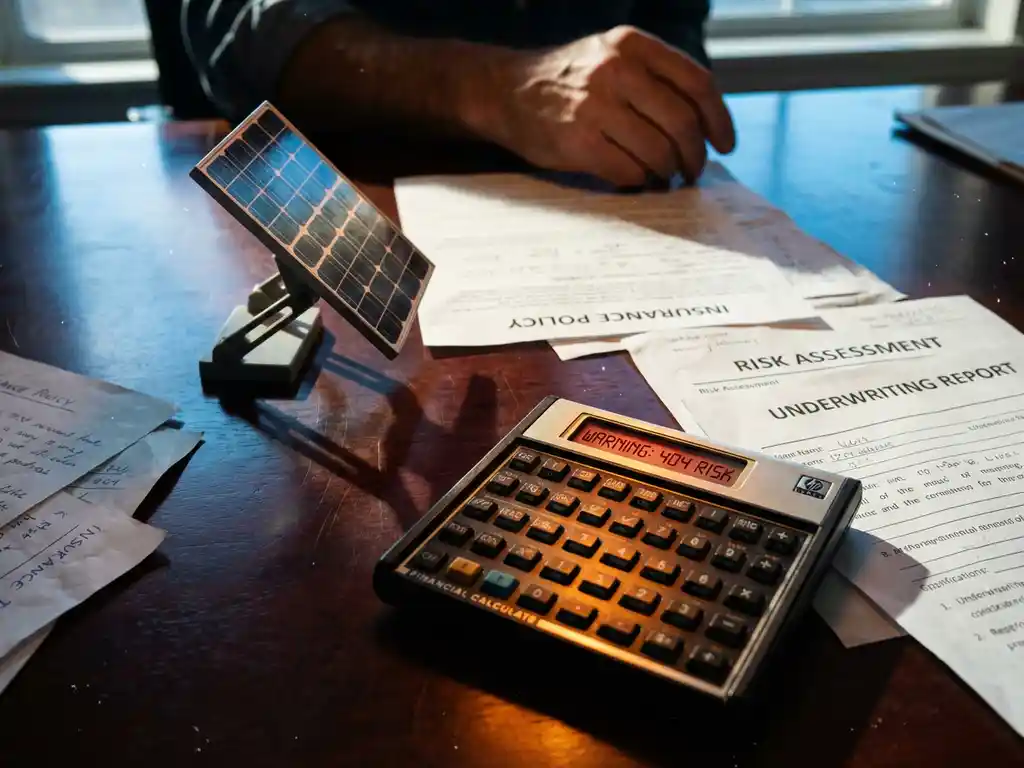
Zonne-energie-investeringen bieden aanzienlijke potentiële rendementen, maar brengen ook duidelijke financiële risico's met zich mee die beleggers zorgvuldig moeten beoordelen. Het begrijpen van deze risico's is cruciaal voor het nemen van weloverwogen investeringsbeslissingen en het implementeren van effectieve risicobeheer strategieën. Van prestatievariaties door weersomstandigheden tot veranderingen in regelgeving en uitval van apparatuur, zonprojecten worden geconfronteerd met meerdere financiële uitdagingen die de winstgevendheid kunnen beïnvloeden.
Nu de sector van hernieuwbare energie blijft uitbreiden, hebben investeerders uitgebreide kennis nodig van potentiële valkuilen en beschermende maatregelen. Deze gids onderzoekt de belangrijkste financiële risico's die gepaard gaan met investeringen in zonne-energie en biedt praktische inzichten in risicobeoordeling en -beheer.
De belangrijkste financiële risico's van investeren in solerprojecten zijn: * **Operationele risico's:** Dit omvat mogelijke storingen in de apparatuur, onverwachte onderhoudskosten en een lagere dan verwachte energieopbrengst door weersomstandigheden of slechte prestaties van de panelen. * **Marktrisico's:** Fluctuaties in de elektriciteitsprijzen kunnen de inkomsten uit de verkoop van zonne-energie beïnvloeden. Veranderingen in subsidies en regelgeving kunnen ook een negatief effect hebben. * **Financieringsrisico's:** Het verkrijgen van financiering kan uitdagend zijn, en rentewijzigingen kunnen de financieringskosten verhogen. * **Contractuele risico's:** Conflicten met leveranciers, bouwers of afnemers van energie kunnen leiden tot vertragingen en extra kosten. * **Technologische risico's:** Veroudering van technologie of de introductie van nieuwere, efficiëntere technologieën kan de waarde van bestaande projecten verminderen. * **Politieke en regelgevende risico's:** Veranderingen in overheidsbeleid, subsidies of milieuwetgeving kunnen de winstgevendheid en het succes van een project beïnvloeden. * **Locatiegebonden risico's:** Onvoorziene omstandigheden op de locatie, zoals bodemgesteldheid, natuurrampen of milieukwesties, kunnen leiden tot vertragingen en hogere kosten.
Risico’s bij investeringen in zonne-energie zijn onder meer schommelingen in de opbrengst, wijzigingen in de regelgeving, storingen aan apparatuur, marktvolatiliteit en financieringsproblemen. Deze risico’s kunnen een aanzienlijke invloed hebben op het rendement van een project, waarbij opbrengsttekorten de inkomsten gedurende de levensduur van een project mogelijk met 10–30% kunnen verminderen. Technologische risico’s, vertragingen bij de aansluiting op het elektriciteitsnet en veranderende omstandigheden op de energiemarkt zorgen voor nog meer financiële onzekerheid.
Prestatierisico vormt een van de grootste zorgen voor zonne-investeerders. Zonnepanelen kunnen ondermaats presteren door fabricagefouten, een hogere dan verwachte degradatiesnelheid of suboptimale installatiepraktijken. Dit vertaalt zich direct in lagere energieproductie en verminderde inkomstenstromen gedurende de operationele levensduur van het project.
Marktrisico's omvatten schommelende elektriciteitsprijzen, veranderingen in de waarde van certificaten voor hernieuwbare energie en evoluerende voorwaarden van elektriciteitsproducentenovereenkomsten. Deze factoren kunnen de financiële projecties die oorspronkelijk de investering rechtvaardigden aanzienlijk veranderen. Bovendien vormt technologische veroudering een langetermijnrisico naarmate nieuwere, efficiëntere zonne-energietechnologieën de markt betreden.
Financieringsrisico's omvatten renteschommelingen, veranderingen in de beschikbaarheid van schulden en veranderende vereisten van geldverstrekkers voor duurzame energieprojecten. Bouwrisico's zoals kostenoverschrijdingen, vert.
Hoe beïnvloeden het weer en natuurrampen de investeringsrendementen van zonne-energie?
Weer en natuurrampen kunnen het rendement van zonne-investeringen verminderen door directe fysieke schade, prestatievermindering en verlengde stilstand. Extreme weersomstandigheden zoals hagel, orkanen en overstromingen kunnen onmiddellijke apparatuurschade veroorzaken, wat kostbare reparaties of vervangingen vereist. Zelfs gematigde weersomstandigheden kunnen de langetermijnenergieproductie en de verwachte inkomsten beïnvloeden.
De prestaties van zonnepanelen correleren direct met de weersomstandigheden. Langdurige bewolking, zandstormen of sneeuwophoping kunnen de energieopbrengst aanzienlijk verminderen. Hoewel deze variaties doorgaans worden meegenomen in de initiële projecties, kunnen extreme weerpatronen veroorzaakt door klimaatverandering de verwachte parameters overschrijden.
Natuurrampen vormen catastrofale risico's voor zonne-installaties. Hagelbuien kunnen zonnepanelen doen barsten, wat onmiddellijke vervanging vereist. Windstoten met orkaankracht kunnen montagesystemen en elektrische infrastructuur beschadigen. Overstromingen kunnen op de grond gemonteerde systemen en elektrische componenten aantasten, wat leidt tot langdurige uitval en dure herstelwerkzaamheden.
Geografische locatie speelt een cruciale rol in de blootstelling aan weersgerelateerde risico's. Projecten in kustgebieden die gevoelig zijn voor orkanen lopen andere risico's dan die in regio's met frequente hagelbuien of extreme temperatuurschommelingen. Investeerders moeten lokale klimaattrends en historische weergegevens zorgvuldig beoordelen bij het evalueren van potentiële zonne-investeringen.
Welke regelgevende wijzigingen kunnen de winstgevendheid van investeringen in zonne-energie beïnvloeden?
Tot de wijzigingen in de regelgeving die van invloed zijn op de winstgevendheid van investeringen in zonne-energie behoren aanpassingen in de terugleververgoedingen, fiscale stimuleringsmaatregelen, vereisten voor netaansluiting en milieuregels. Veranderingen in het overheidsbeleid kunnen de economische haalbaarheid van projecten van de ene op de andere dag beïnvloeden, waarbij bezuinigingen op subsidies het rendement mogelijk met 15–40% doen dalen. Wijzigingen in netcodes, vergunningsvereisten en aansluitingsnormen kunnen bovendien nalevingskosten en operationele uitdagingen met zich meebrengen.
Wijzigingen in het belastingbeleid vormen een aanzienlijk regelgevingsrisico voor zonne-investeerders. Investeringsaftrek voor belastingen, versnelde afschrijvingsschema's en belastingstimulansen voor hernieuwbare energie kunnen de projectfinanciering en het rendement aanzienlijk beïnvloeden. Wanneer deze beleidsmaatregelen verlopen of worden verminderd, ondersteunen de projecteconomieën mogelijk niet langer de oorspronkelijke investeringsthese.
Netwerkaansluitingsvoorschriften blijven evolueren naarmate het aandeel hernieuwbare energie toeneemt. Nieuwe vereisten voor netstabiliteit, stroomkwaliteit en systeemintegratie kunnen additionele investeringen in apparatuur of operationele aanpassingen noodzakelijk maken. Deze veranderingen brengen vaak kosten voor aanpassingen met zich mee die niet waren voorzien in de oorspronkelijke projectbudgetten.
Milieu- en veiligheidsvoorschriften kunnen ook van invloed zijn op zonneprojecten. Nieuwe normen voor recycling van panelen, beperkingen op landgebruik of vereisten voor de veiligheid van werknemers kunnen extra nalevingskosten met zich meebrengen. Veranderingen in bestemmingsplannen of nieuwe vereisten voor milieueffectbeoordelingen kunnen de ontwikkelingstijdlijnen en kosten van projecten beïnvloeden.
Hoe beïnvloedt het risico op apparatuurstoring de financiering van zonne-energieprojecten?
Het risico op apparatuurstoringen beïnvloedt de financiering van zonne-energieprojecten doordat het de verzekeringskosten verhoogt, hogere reserves voor onvoorziene uitgaven vereist en mogelijk de beschikbaarheid van vreemd vermogen beperkt. Kredietverstrekkers eisen doorgaans een uitgebreide dekking voor ernstige apparatuurstoringen, wat de totale projectkosten met 2–5% kan verhogen. Storingen in omvormers, defecten aan zonnepanelen en problemen met het montagesysteem kunnen de kasstromen verstoren en de capaciteit om schulden af te lossen onder druk zetten.
Omvormers voor zonne-energie vormen een bijzonder punt van zorg voor financiers vanwege hun kortere levensduur in vergelijking met zonnepanelen. De kosten voor het vervangen van omvormers kunnen bij grootschalige projecten variëren van $200.000 tot $500.000, wat aanzienlijke onvoorziene kapitaaluitgaven met zich meebrengt. Dit risico vereist vaak speciale reserverekeningen of een uitgebreide garantiedekking.
Paneeldegradatie die verder gaat dan de specificaties van de fabrikant vormt een langetermijnrisico voor de financiering. Hoewel panelen doorgaans geleverd worden met prestatiegaranties van 20–25 jaar, kunnen de werkelijke degradatiesnelheden de gegarandeerde niveaus overschrijden. Dit prestaties tekort kan Gecorrigeerde Schuldendekkingsratio's beïnvloeden en schendingen van financiële convenanten veroorzaken.
Stystemsysteems falen kan bijzonder kostbaar zijn, omdat het vaak omvangrijke verwijdering en herinstallatie van panelen vereist. Deze storingen kunnen voortkomen uit ontwerpfouten, materiaaldefecten of onvoldoende installatiepraktijken. De bijbehorende stilstand en reparatiekosten kunnen de kasstromen van een project aanzienlijk beïnvloeden tijdens kritieke aflossingsperioden van schulden.
Welke verzekeringsdekking hebben investeerders in zonne-energie nodig ter bescherming tegen risico's?
Zonne-energie-investeerders hebben uitgebreide verzekering dekking, waaronder opstalverzekering, aansprakelijkheidsverzekering, bedrijfsstilstandverzekering en prestatieverzekering. Essentiële dekking omvat bescherming tegen fysieke schade door weersomstandigheden, apparatuurstoringen, diefstal en claims van derden. Gespecialiseerde hernieuwbare energieverzekeringspolissen bieden een bredere dekking dan standaard commerciële polissen voor zonne-specifieke risico's.
Woonhuisverzekeringen moeten de volledige vervangingswaarde dekken van zonne-installaties, inclusief panelen, omvormers, montagesystemen en elektrische infrastructuur. Deze dekking moet rekening houden met technologische veranderingen en mogelijke stijgingen in vervangingskosten als gevolg van hogere efficiëntienormen of het uitgefaseerd zijn van apparatuurmodellen.
Bedrijfsschadeverzekeringen beschermen tegen omzetverlies tijdens stilstand of reparatie van apparatuur. Deze dekking is met name belangrijk voor zonne-energieprojecten met langetermijn energie-afnameovereenkomsten, aangezien langdurige storingen kunnen leiden tot aanzienlijk omzetverlies en mogelijke contractuele boetes.
Prestatieverzekering biedt bescherming tegen ondermaatse prestaties als gevolg van apparatuurfouten of installatieproblemen. Deze gespecialiseerde dekking kan bescherming omvatten tegen het faillissement van de fabrikant, waardoor de garantie blijft bestaan, zelfs als apparatuurleveranciers financiële moeilijkheden ondervinden.
Hoe voer je een due diligence uit voor de risicobeoordeling van zonne-energie investeringen?
Investeringsonderzoek (due diligence) voor zonne-energie vereist een uitgebreide technische, financiële en juridische analyse, inclusief verificatie van de kwaliteit van de uitrusting, beoordeling van de locatie, validatie van het financiële model en controle van de naleving van regelgeving. Professionele inspecties, onafhankelijke technische rapporten en verzekeringsbeoordelingen zijn essentiële onderdelen. Het proces duurt doorgaans 60-90 dagen voor grootschalige projecten en omvat meerdere gespecialiseerde consultants.
Technische due diligence begint met een beoordeling van de kwaliteit van de apparatuur, inclusief de financiële stabiliteit van de fabrikant, de resultaten van producttesten en garantievoorwaarden. Onafhankelijke technische beoordelingen evalueren het systeemontwerp, de installatiekwaliteit en de verwachte prestaties onder verschillende bedrijfsomstandigheden. Locatiespecifieke factoren zoals bodemgesteldheid, schaduwanalyse en netwerkaansluitmogelijkheden vereisen een gedetailleerde evaluatie.
Financiële due diligence omvat het valideren van omzetprognoses, operationele kostenveronderstellingen en financieringstermijnen. Dit omvat het beoordelen van power purchase agreements, energieproductieschattingen en onderhoudskostenprognoses. Onafhankelijke financiële modellering helpt bij het verifiëren van investeringsrendementen onder verschillende scenario's en het stresstesten van veronderstellingen.
Juridische en reglementaire due diligence onderzoekt vergunningen, landrechten, aansluitingsovereenkomsten en naleving van toepasselijke regelgeving. Dit proces identificeert potentiële juridische risico's en zorgt ervoor dat alle benodigde goedkeuringen aanwezig zijn voor de exploitatie van het project. Milieuonderzoeken en studies naar gemeenschapsimpact kunnen ook vereist zijn, afhankelijk van de projectomvang en locatie.
Hoe Solarif helpt bij het beheer van investeringsrisico's in zonne-energie
Wij bieden uitgebreide risicobeheeroplossingen die speciaal zijn ontworpen voor zonnestroom investeringen. Onze gespecialiseerde verzekeringsproducten en risicobeoordelingsdiensten helpen investeerders hun duurzame energieportefeuilles te beschermen tegen de hierboven geschetste financiële risico's.
Onze diensten omvatten:
- Op maat gemaakte verzekeringsoplossingen voor schade aan eigendommen, bedrijfsstilstand en prestatietrisico's
- Professionele Scope 12 inspecties om installatiekwaliteit en verzekerbaarheid te garanderen
- Risicobeoordeling en due diligence ondersteuning voor investeringsbeslissingen
- Prestatieverzekering ter bescherming tegen ondermaatse prestaties van apparatuur en insolventie van de fabrikant
- Borgstellingen die aanvullende zekerheid bieden tijdens de bouw- en operationele fasen
Met meer dan 15 jaar ervaring in risicobeheer voor hernieuwbare energie en 3,8 GW aan verzekerde zonne-energiecapaciteit, begrijpen we de unieke uitdagingen waar zonne-investeerders mee te maken hebben. Ons team biedt oplossingen op maat die specifieke projectrisico's aanpakken en.
Behoefte aan verzekeringen en Scope inspecties voor je BESS?
Neem vandaag nog contact met ons op als je meer wil weten over de mogelijkheden voor BESS verzekeringen en Scope inspecties.
E-mail: support@solarif.com
☎️ Telefoon: +31 (0)26 711 5050