


Hoe beïnvloeden problemen met de netaansluiting zonnepaneelsystemen?
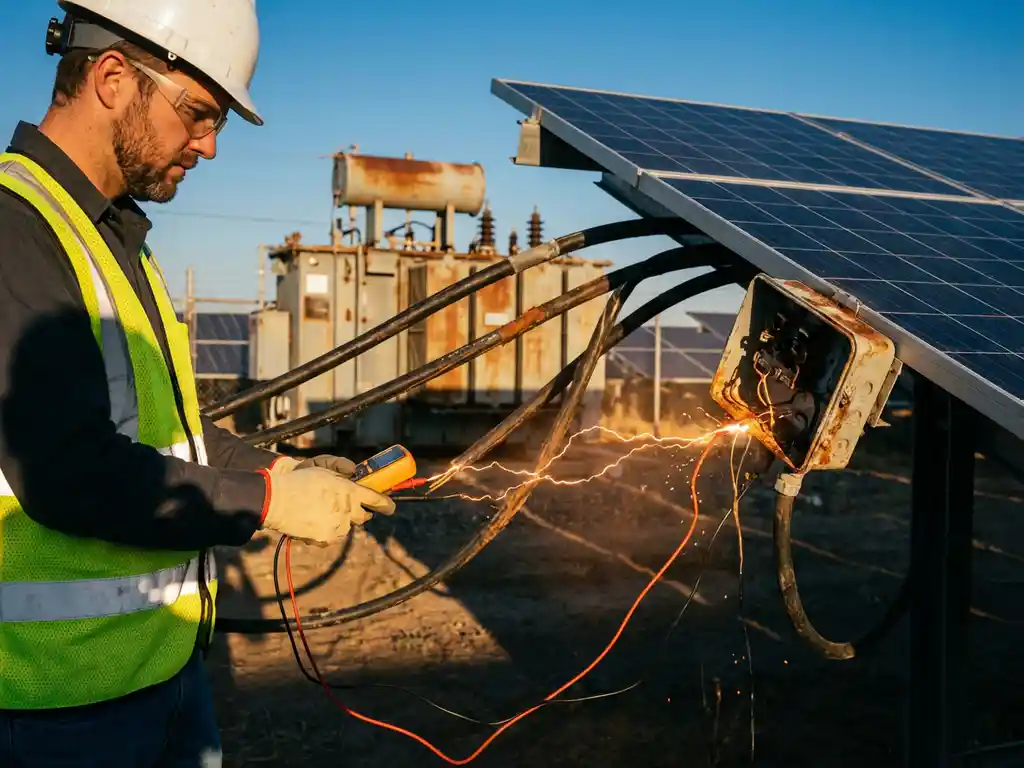
Problemen met de netaansluiting vormen momenteel een van de grootste uitdagingen voor commerciële zonne-installaties. Deze problemen kunnen variëren van simpele vertragingen van de nutsbedrijven tot complexe technische incompatibiliteiten die voorkomen dat zonne-energiesystemen stroom aan het elektriciteitsnet leveren. Voor projectontwikkelaars, EPC-aannemers en investeerders is het essentieel om te begrijpen hoe problemen met de netaansluiting de prestaties van zonnesystemen beïnvloeden voor een succesvolle projectoplevering en langdurige winstgevendheid.
Netwerkaansluitingsuitdagingen kunnen aanzienlijke vertragingen veroorzaken, de energieproductie verminderen en financiële risico's creëren die hele zonneprojecten bedreigen. Wanneer deze problemen zich voordoen, kunnen ze contracten onder druk zetten en investeerders nerveus maken over de levensvatbaarheid van een project. Vroege identificatie en correcte risicobeheer zijn cruciaal om te voorkomen dat netwerkaansluitingsproblemen uitgroeien tot serieuze projectcomplicaties.
Wat zijn problemen met netaansluiting in zonne-energiesystemen?
Problemen met netkoppeling zijn technische, reglementaire of administratieve problemen die voorkomen dat zonne-energiesystemen correct worden aangesloten op en werken met het elektriciteitsnet van de nutsbedrijven. Deze problemen kunnen vertragingen bij de goedkeuring door de nutsbedrijven, uitrustingsincompatibiliteiten, problemen met de stroomkwaliteit en zorgen over de netstabiliteit omvatten, die de mogelijkheid van het zonne-energiesysteem om veilig en efficiënt elektriciteit aan het net te leveren, beïnvloeden.
De meest voorkomende problemen met netaansluitingen vallen in verschillende categorieën. Technische problemen omvatten omvormercompatibiliteitsproblemen, waarbij zonne-omvormers niet goed kunnen synchroniseren met de eisen van de netfrequentie en de spanning. Problemen met de stroomkwaliteit ontstaan wanneer het zonne-energiesysteem elektriciteit produceert die niet voldoet aan de normen van het nutsbedrijf voor harmonische vervorming, spanningsfluctuaties of frequentiestabiliteit.
Administratieve uitdagingen omvatten vaak langdurige goedkeuringsprocessen van nutsbedrijven, onvolledige aansluitingsaanvragen of wijzigingen in de vereisten voor netwerkaansluitingen tijdens de projectontwikkeling. Regelgevende kwesties kunnen updates van veiligheidscodes, nieuwe standaarden voor netwerkaansluitingen of wijzigingen in het beleid van nutsbedrijven omvatten die van invloed zijn op bestaande projectgoedkeuringen.
Infrastructuurbeperkingen vormen nog een belangrijke categorie, met name in gebieden met verouderende elektriciteitsnetten of hoge penetratie van hernieuwbare energie. Beperkingen in de netcapaciteit kunnen voorkomen dat nieuwe zonne-installaties worden aangesloten, zelfs wanneer aan alle technische vereisten is voldaan.
Hoe hebben problemen met de netaansluiting invloed op de prestaties van een zonne-energiesysteem?
Problemen met de netaansluiting verminderen de prestaties van zonne-energiesystemen rechtstreeks doordat ze de energielevering aan het elektriciteitsnet beperken of voorkomen, wat resulteert in inkomstenderving, verminderde energieopbrengst en mogelijke schade aan apparatuur. Wanneer zonne-energiesystemen niet goed op het net kunnen worden aangesloten, kunnen ze met verminderde capaciteit werken, volledig worden uitgeschakeld of frequente ontkoppelingen ervaren, wat de algehele prestaties aanzienlijk beïnvloedt.
De meest directe impact is een verminderde energieproductie. Zonne-installaties met problemen met de netaansluiting kunnen in een beperkte modus opereren, waardoor ze minder elektriciteit produceren dan hun nominale capaciteit. Deze vermindering van de output vertaalt zich direct in lagere inkomsten voor projecteigenaren en kan de financiële levensvatbaarheid van het project beïnvloeden.
Frequent net-ontkoppelingen veroorzaken extra prestatieproblemen. Wanneer omvormers herhaaldelijk loskoppelen van en opnieuw verbinden met het net als gevolg van verbindingsproblemen, ervaart het systeem opstartvertragingen en energieverliezen tijdens elke opnieuw verbindingscyclus. Deze onderbrekingen kunnen de jaarlijkse energieproductie met enkele procentpunten verminderen.
Problemen met de stroomkwaliteit kunnen ervoor zorgen dat zonne-omvormers buiten hun optimale parameters opereren, wat de efficiëntie vermindert en mogelijk de levensduur van de apparatuur verkort. Slechte netverbindingskwaliteit kan ook spanningsschommelingen veroorzaken die andere elektrische apparatuur op de installatieplaats beïnvloeden.
Langdurige problemen met de netaansluiting kunnen leiden tot hogere onderhoudskosten en voortijdige vervanging van apparatuur. Zonne-omvormers en andere netgekoppelde apparatuur kunnen versnelde slijtage vertonen bij operatie onder slechte netomstandigheden, waardoor vaker reparaties of vroegtijdige vervanging nodig zijn.
Wat veroorzaakt vertragingen en storingen bij de aansluiting op het elektriciteitsnet voor zonne-energie?
Vertragingen en storingen in de netaansluiting van zonne-energie ontstaan door beperkingen in de capaciteit van de nutsbedrijven, incompatibiliteit van technische apparatuur, knelpunten in de goedkeuring van regelgeving en ontoereikende netinfrastructuur die nieuwe hernieuwbare energie-installaties niet kan accommoderen. De meest voorkomende oorzaak is de achterstand in de wachtrijen voor netaansluitingen bij nutsbedrijven, waarbij de hoge vraag naar netaansluitingen de verwerkingscapaciteit van het nutsbedrijf overschrijdt.
Op nutsbedrijven gerelateerde oorzaken omvatten lange goedkeuringsprocessen, waarbij interconnectieaanvragen maanden of jaren in beslag kunnen nemen door onderbezetting van afdelingen van nutsbedrijven of complexe beoordelingsprocedures. Netcapaciteitsbeperkingen in bepaalde gebieden verhinderen nieuwe aansluitingen totdat de infrastructuur van de nutsbedrijven is geüpgraded.
Technische onverenigbaarheden tussen zonne-apparatuur en bestaande netwerkinfrastructuur zijn een andere belangrijke oorzaak van vertragingen. Oudere elektrische netten zijn mogelijk niet ontworpen om de kenmerken van de voedingskwaliteit van moderne zonne-omvormers aan te kunnen, waardoor dure upgrades nodig zijn voordat de aansluiting wordt goedgekeurd.
Regelgevende veranderingen kunnen aanzienlijke vertragingen veroorzaken wanneer nieuwe veiligheidsvoorschriften of verbindingsnormen worden geïmplementeerd tijdens de projectontwikkeling. Projecten die onder eerdere regelgeving zijn ontworpen, moeten mogelijk worden aangepast om aan bijgewerkte vereisten te voldoen, wat leidt tot vertragingen en extra kosten.
Documentatie- en toepassingsfouten vormen een voorkombare maar veelvoorkomende oorzaak van vertragingen. Onvolledige aansluitingsaanvragen, ontbrekende technische specificaties of fouten in elektrische tekeningen kunnen het goedkeuringsproces stopzetten totdat er correcties zijn aangebracht.
Zorgen over netstabiliteit in gebieden met een hoge penetratie van hernieuwbare energie kunnen leiden tot verbindingsbeperkingen of vereisten voor extra apparatuur, zoals energieopslagsystemen, ter ondersteuning van de netstabiliteit.
Hoe kunnen eigenaren van zonnepanelen netwerkproblemen voorkomen?
Eigenaren van zonne-energiesystemen kunnen problemen met de netaansluiting voorkomen door vroegtijdig contact met de netbeheerder, de juiste apparatuur te selecteren, een uitgebreide pre-installatieplanning te maken en samen te werken met ervaren aannemers die de lokale netvereisten begrijpen. De meest effectieve aanpak omvat het vroegtijdig starten van het interconnectieproces tijdens de projectontwikkeling en het onderhouden van regelmatige communicatie met vertegenwoordigers van de netbeheerder.
Vroege betrokkenheid van de nutsbedrijven is cruciaal om potentiële aansluitingsproblemen te identificeren voordat ze leiden tot vertragingen in het project. Door tijdens de initiële projectplanning contact op te nemen met de nutsbedrijven, kunnen ontwikkelaars specifieke netvereisten, capaciteitsbeperkingen en de verwachte tijdlijn voor goedkeuring van de interconnectie begrijpen.
De juiste apparatuurselectie zorgt voor compatibiliteit met lokale netomstandigheden. Het kiezen van omvormers en andere netaangesloten apparatuur die voldoen aan of beter presteren dan de vereisten van de netbeheerder, vermindert het risico op technische compatibiliteitsproblemen. Samenwerken met fabrikanten die gevestigde relaties hebben met lokale netbeheerders kan ook het goedkeuringsproces stroomlijnen.
Uitgebreide locatiebeoordelingen moeten een analyse van het elektriciteitsnet omvatten om mogelijke verbindingsproblemen te identificeren. Deze beoordeling moet de bestaande elektrische infrastructuur, de netcapaciteit op het aansluitpunt en eventuele bekende netstabiliteitsproblemen in het gebied evalueren.
Professionele installatie en inspectie zijn essentieel om verbindingsproblemen te voorkomen. Werken met gecertificeerde installateurs die lokale elektrische voorschriften en vereisten van nutsbedrijven begrijpen, vermindert het risico op installatiefouten die de goedkeuring van de netaansluiting kunnen vertragen.
Regelmatige kwaliteitscontroles tijdens het installatieproces helpen bij het identificeren en corrigeren van potentiële problemen vóór de definitieve nutsinspectie. Deze inspecties moeten verifiëren dat al het elektrische werk voldoet aan de toepasselijke codes en aan de vereisten voor netkoppeling.
Wat te doen bij problemen met de netaansluiting?
Wanneer er problemen zijn met de netaansluiting, neem dan onmiddellijk contact op met het nutsbedrijf om de specifieke oorzaak te achterhalen, documenteer alle problemen en communicatie, en werk samen met gekwalificeerde elektriciens om de noodzakelijke correcties door te voeren. Een snelle reactie en systematische probleemoplossing zijn essentieel om projectvertragingen en financiële gevolgen te minimaliseren.
De eerste stap is een nauwkeurige probleemdiagnose. Identificeer of het probleem technisch, administratief of regelgevend is door communicatie van nutsbedrijven te beoordelen en, indien nodig, elektrische tests uit te voeren. Het begrijpen van de hoofdoorzaak helpt bij het bepalen van de meest effectieve oplossingsbenadering.
Gedetailleerde documentatie bewaren van alle problemen met de netaansluiting, inclusief correspondentie met het nutsbedrijf, testresultaten en genomen corrigerende maatregelen. Deze documentatie is essentieel voor verzekering claims en kan helpen om soortgelijke problemen in toekomstige projecten te voorkomen.
Werk samen met gekwalificeerde professionals met ervaring in het oplossen van problemen met netaansluitingen. Elektriciens die bekend zijn met de plaatselijke vereisten van nutsbedrijven kunnen technische problemen vaak sneller oplossen dan algemene aannemers zonder gespecialiseerde kennis.
Overweeg tijdelijke oplossingen waar gepast. In sommige gevallen kan het werken met een verminderde capaciteit of het implementeren van tijdelijke apparatuuraanpassingen de gedeeltelijke werking van het systeem handhaven terwijl permanente oplossingen worden ontwikkeld.
Regelmatige opvolging met vertegenwoordigers van nutsbedrijven zorgt ervoor dat corrigerende maatregelen vorderen en helpt bij het identificeren van eventuele aanvullende vereisten die zich tijdens het oplossingsproces kunnen voordoen.
Hoe Solarif helpt bij problemen met netaansluitingen
We begrijpen dat problemen met de netaansluiting hele zonne-energieprojecten in gevaar kunnen brengen, wat gevolgen heeft voor de opbrengsten, contracten en het vertrouwen van investeerders. Als gespecialiseerd Zonne-energieverzekering makelaar voor projecten op het gebied van hernieuwbare energie met meer dan 15 jaar ervaring, bieden we uitgebreide oplossingen voor risicobeheer die beschermen tegen problemen met netaansluitingen en de financiële gevolgen daarvan.
Onze diensten omvatten:
- Risico-verzekering die beschermt tegen vertragingen en financiële verliezen door problemen met de netaansluiting
- Scope 12 inspecties door SCIOS-gecertificeerde inspecteurs om te garanderen dat installaties voldoen aan de eisen van de netbeheerder vóór aansluiting
- Kwaliteitsborgingsprogramma's die potentiële problemen met netcompatibiliteit identificeren tijdens de installatie
- Prestatieverzekering die zekerheid biedt over systeemprestaties ondanks netgerelateerde uitdagingen
- Deskundige begeleiding bij het identificeren van risico's en preventiestrategieën voor netaansluitingen
Onze Scope 12 inspecties zijn bijzonder waardevol voor het voorkomen van problemen met de netaansluiting. Hoewel ze niet wettelijk verplicht zijn, eisen de meeste verzekeraars deze inspecties alvorens dekking te verlenen voor commerciële zonne-installaties. Onze gecertificeerde inspecteurs zorgen ervoor dat uw installatie veilig is, correct functioneert en voldoet aan alle eisen voor aansluiting op het net.
Laat risico's bij netaansluitingen uw rendement niet bepalen. Neem vandaag nog contact op met onze experts op het gebied van duurzame energieverzekeringen om te bespreken hoe wij uw solaire project kunnen beschermen tegen uitdagingen bij netaansluitingen en een succesvolle projectoplevering kunnen garanderen.
Behoefte aan verzekeringen en Scope inspecties voor je BESS?
Neem vandaag nog contact met ons op als je meer wil weten over de mogelijkheden voor BESS verzekeringen en Scope inspecties.
E-mail: support@solarif.com
☎️ Telefoon: +31 (0)26 711 5050