


Kunnen buren een rechtszaak aanspannen vanwege visuele vervuiling door hernieuwbare energie-installaties?
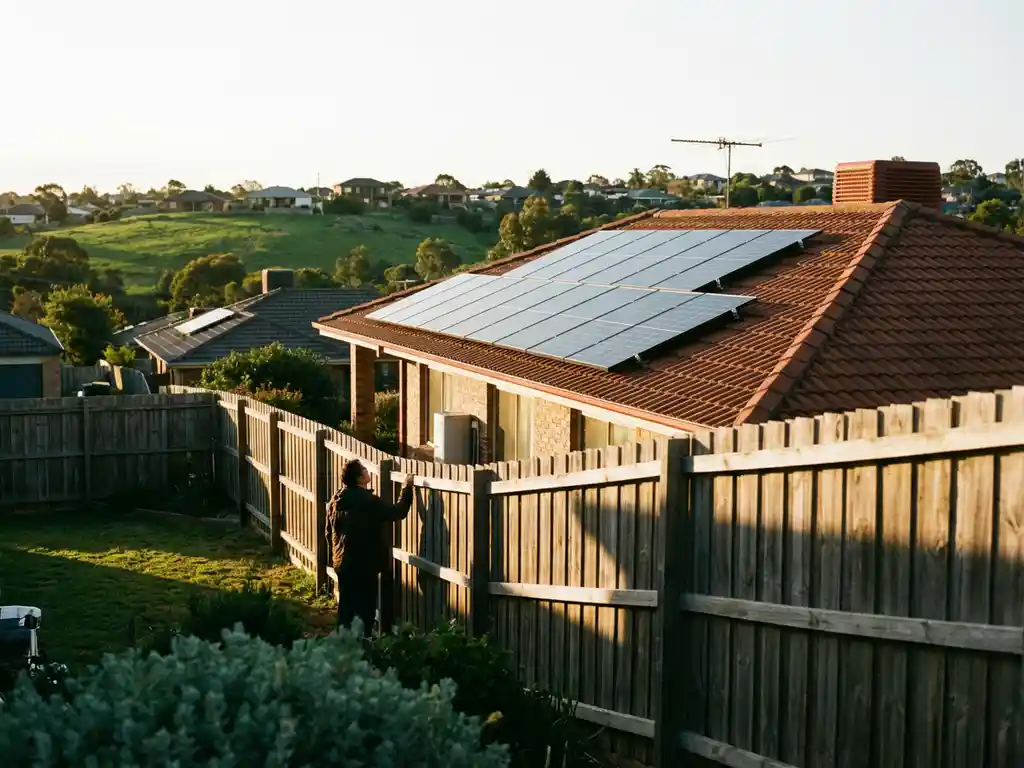
As renewable energy installations become more common in communities, property owners and neighbors increasingly find themselves in disputes over the visual impact of solar panels and other renewable technologies. These conflicts often center on claims of visual pollution, with neighbors arguing that renewable installations negatively affect their property values or quality of life. Understanding the legal landscape surrounding these disputes is crucial for renewable energy project developers, investors, and property owners who want to protect their investments while maintaining good community relations.
The intersection of property rights, environmental law, and aesthetic considerations creates a complex legal framework that varies significantly by jurisdiction. While renewable energy enjoys strong policy support, this doesn’t automatically shield installations from neighbor complaints or legal challenges based on visual impact concerns.
What legally qualifies as visual pollution from renewable energy installations?
Visual pollution from renewable energy installations typically becomes a legal issue when it substantially interferes with neighboring property owners’ reasonable use and enjoyment of their land, creating what courts may recognize as a private nuisance. The legal threshold requires demonstrating that the visual impact is unreasonable, persistent, and causes actual harm rather than mere aesthetic displeasure.
Courts generally apply a balancing test when evaluating visual pollution claims. They weigh the social utility of renewable energy against the alleged interference with neighboring properties. Factors that strengthen visual pollution claims include installations that block scenic views, create excessive glare, or significantly alter the character of a residential neighborhood. However, the mere presence of solar panels—or the fact that some neighbors find them unattractive—typically doesn’t meet the legal standard for actionable visual pollution.
The legal framework varies considerably between jurisdictions. Some states have enacted specific protections for renewable energy installations, while others rely on traditional nuisance law principles. In many cases, installations that comply with local zoning ordinances and building codes receive stronger legal protection against visual pollution claims, as compliance suggests the community has already determined the installation is acceptable in that area.
Can neighbors actually win lawsuits over solar panels and hybrid energy systems?
Neighbors can win lawsuits against renewable energy installations, but successful cases typically involve installations that violate zoning laws, create safety hazards, or cause documented property damage rather than purely aesthetic complaints. Courts generally favor renewable energy projects that comply with local regulations and demonstrate clear environmental benefits.
Successful neighbor lawsuits often involve specific violations or oversights. For example, if solar panels create dangerous glare that affects road safety or neighboring properties, or if installations exceed height restrictions or setback requirements, courts may order modifications or removal. Cases involving inadequate permitting, failure to follow approved plans, or installations that create noise or electromagnetic interference have also resulted in neighbor victories.
However, purely aesthetic objections rarely succeed in court. Most jurisdictions recognize the public policy benefits of renewable energy and won’t restrict properly permitted installations based solely on visual preferences. The legal trend strongly favors protecting renewable energy investments from frivolous aesthetic complaints, especially when installations meet all regulatory requirements and industry standards.
Property owners considering legal action should document specific harms beyond visual displeasure, such as measurable decreases in property value, interference with existing land uses, or violations of deed restrictions. Without concrete evidence of actual damage, aesthetic-based lawsuits typically fail.
What zoning laws protect renewable installations from neighbor complaints?
Most jurisdictions have adopted renewable energy-friendly zoning provisions that protect compliant installations from neighbor complaints by establishing clear standards for placement, size, and design. These laws typically provide safe-harbor protections, meaning installations that meet specified criteria cannot be challenged solely on aesthetic grounds.
Common protective zoning provisions include streamlined permitting processes for renewable installations, reduced setback requirements compared to other structures, and explicit allowances for renewable energy as a permitted use in residential and commercial zones. Many municipalities have adopted model ordinances that balance community aesthetics with renewable energy goals, establishing clear guidelines that both developers and neighbors can rely on.
Solar access laws in many states provide additional protection by preventing neighbors from blocking existing solar installations through new construction or vegetation growth. These laws recognize that renewable energy installations require ongoing access to natural resources and protect existing investments from interference by subsequent development.
State-level renewable energy facility siting laws often preempt local zoning restrictions for larger commercial installations. These laws typically establish standardized review processes and prevent local governments from imposing overly restrictive aesthetic requirements that could effectively ban renewable energy development.
How do property values factor into visual pollution lawsuits?
Property values serve as the primary measure of damages in visual pollution lawsuits, with plaintiffs required to demonstrate actual, measurable decreases in property value caused specifically by the renewable installation’s visual impact. Courts typically require professional appraisals and comparable-sales data rather than accepting speculative claims about potential value loss.
Proving property value impacts requires sophisticated analysis that isolates the renewable installation’s effect from other market factors. Professional appraisers must demonstrate that any value decrease stems from the installation’s visual impact rather than general market conditions, neighborhood changes, or property-specific issues. This burden of proof often proves difficult for plaintiffs to meet, especially given research suggesting that nearby renewable installations often have neutral or positive effects on property values.
The temporal aspect of property value claims also matters significantly. Courts distinguish between temporary construction impacts and permanent operational effects. Short-term disruptions during installation typically don’t support substantial damage claims, while permanent visual impacts require long-term market analysis to establish ongoing harm.
Defendants often successfully counter property value claims by presenting evidence that renewable installations actually increase area property values by signaling environmental progressiveness and potentially reducing utility costs for the broader community. The growing consumer preference for sustainable communities can offset aesthetic concerns in many markets.
What can renewable energy owners do to prevent neighbor lawsuits?
Renewable energy owners can prevent neighbor lawsuits through proactive community engagement, careful site planning, and compliance with all applicable regulations and industry best practices. Early communication with neighbors, transparent sharing of project information, and responsive design modifications often resolve concerns before they escalate into legal disputes.
Effective prevention strategies include holding community meetings before installation, providing detailed project information (including visual renderings), and addressing neighbor concerns during the planning phase. Many successful projects incorporate neighbor feedback into final designs, adjusting placement or adding screening vegetation to minimize visual impacts while maintaining system efficiency.
Technical considerations also significantly reduce legal risks. Proper installation by certified professionals, compliance with manufacturer specifications, and regular maintenance help prevent safety issues that could trigger legitimate neighbor complaints. High-quality installations that meet industry standards and local codes receive stronger legal protection against frivolous challenges.
Documentation is crucial for legal protection. Maintaining records of all permits, approvals, neighbor communications, and compliance measures creates a strong defense against future claims. Professional inspections and certifications demonstrate an ongoing commitment to safety and regulatory compliance.
How Solarif helps with renewable energy legal protection
We bieden uitgebreide risicobeheer en verzekering solutions that protect renewable energy investments from neighbor disputes and legal challenges. Our specialized approach helps project developers, investors, and property owners navigate the complex legal landscape while maintaining strong community relationships.
Onze diensten omvatten:
- Liability insurance coverage for renewable energy installations, protecting against neighbor claims and legal disputes
- Risk assessments that identify potential community concerns before they become legal issues
- Scope 12 inspections that ensure installations meet safety standards and regulatory compliance, strengthening legal protection
- Expert guidance on best practices for community engagement and dispute prevention
With over 15 years of experience in renewable energy risk management and 3.8 GW of insured capacity, we understand the unique challenges facing renewable energy projects in community settings. Ready to protect your renewable energy investment from legal challenges? Contact our specialisten today for a comprehensive risk assessment and a tailored insurance solution.
Behoefte aan verzekeringen en Scope inspecties voor je BESS?
Neem vandaag nog contact met ons op als je meer wil weten over de mogelijkheden voor BESS verzekeringen en Scope inspecties.
E-mail: support@solarif.com
☎️ Telefoon: +31 (0)26 711 5050