



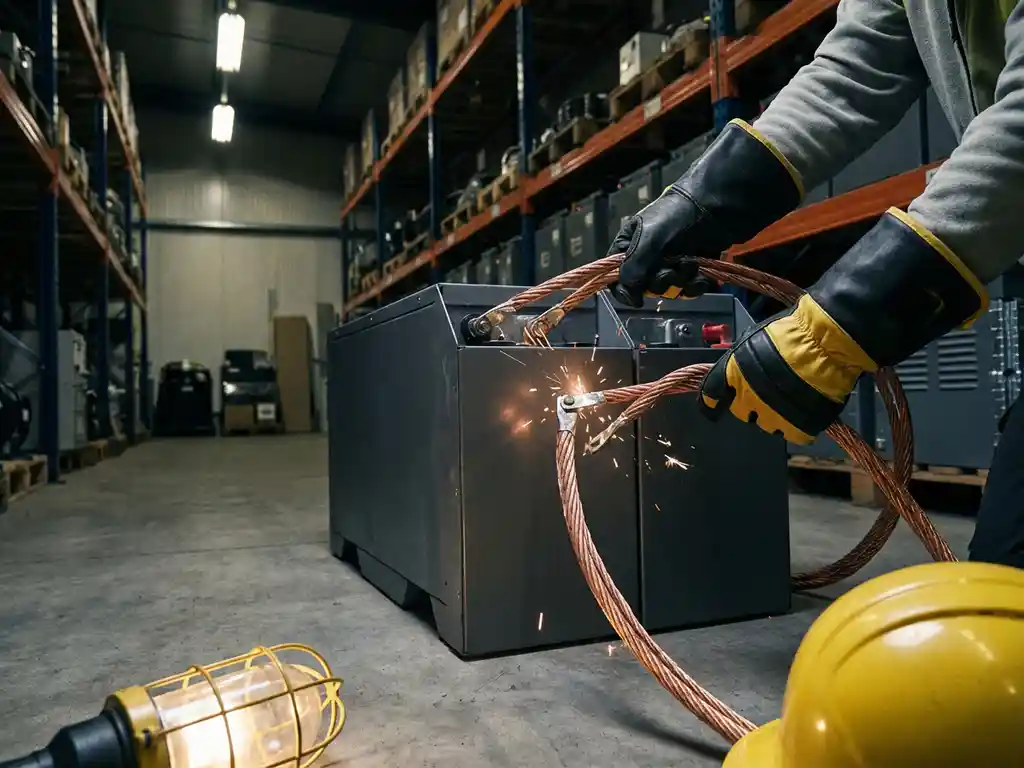
Kunnen gebrekkige installatiemethoden leiden tot storingen in BESS-systemen?
Battery Energy Storage Systems (BESS) have become critical infrastructure for renewable energy projects, but installation quality can make or break long-term performance and safety. Poor installation practices are a leading cause of BESS failures, creating risks that can compromise entire energy storage projects and affect verzekering dekking.
Understanding the relationship between installation quality and system reliability is essential for project developers, EPC contractors, and investors in the renewable energy sector. When installations do not meet required standards, the consequences extend far beyond technical malfunctions to include safety hazards, financial losses, and project delays.
What are the most common installation defects that cause BESS failures?
The most common installation defects that cause BESS failures include improper electrical connections, inadequate thermal management systems, poor grounding practices, and insufficient integration of fire suppression systems. These defects often stem from rushed installations or a lack of specialized BESS expertise among installation teams.
Electrical connection issues top the list of installation-related failures. Loose or improperly torqued connections create resistance points that generate excessive heat, leading to component degradation and potential fire hazards. Poor cable management and inadequate strain relief can cause connection failures over time as systems experience thermal cycling and vibration.
Improper Battery Management System (BMS) installation is another critical category of defects. When BMS sensors are incorrectly positioned or connections are faulty, the system loses its ability to monitor cell conditions effectively. This compromises safety protocols and can lead to dangerous situations, such as thermal runaway events.
Inadequate environmental protection during installation can also cause long-term failures. Moisture ingress from poorly sealed enclosures, contamination from construction debris, or exposure to extreme temperatures during installation can compromise battery performance and safety systems from the outset.
How do improper electrical connections lead to battery system failures?
Improper electrical connections create high-resistance points that generate excessive heat, leading to component degradation, reduced system efficiency, and potential fire hazards. These connection issues can cascade throughout the entire BESS, causing widespread system failures and safety risks.
High-resistance connections are particularly dangerous in BESS applications due to the high currents involved. When connections are loose, corroded, or improperly made, they create hotspots that can reach temperatures exceeding safe operating limits. This heat generation accelerates the degradation of nearby components and can trigger thermal runaway in lithium-ion battery systems.
Arc faults are another serious consequence of poor electrical connections. When connections deteriorate over time, they can create intermittent arcing that generates extreme heat and electromagnetic interference. These arc faults can damage the Power Conversion System (PCS) and other sensitive electronics while creating fire risks.
Voltage imbalances caused by poor connections affect battery performance across the entire system. Uneven current distribution leads to some battery modules working harder than others, reducing overall system capacity and accelerating wear on specific components. This imbalance can ultimately cause premature system failure and void warranty coverage.
What role does thermal management play in preventing BESS failures?
Thermal management is critical for preventing BESS failures because batteries must operate within specific temperature ranges to maintain performance, safety, and longevity. Proper thermal management prevents overheating, thermal runaway, and premature battery degradation that can lead to catastrophic failures.
Lithium-ion batteries used in most BESS installations are particularly sensitive to temperature variations. Operating outside optimal temperature ranges reduces battery capacity, shortens lifespan, and increases the risk of thermal runaway events. Thermal management systems must maintain consistent temperatures across all battery modules while providing adequate cooling during high-demand periods.
Cooling system design directly affects safety and performance outcomes. Inadequate cooling capacity can lead to hotspots within battery packs, while poor airflow design creates temperature gradients that stress different parts of the system unevenly. These thermal stresses accelerate aging and can trigger safety shutdowns that reduce system availability.
Integrating fire suppression with thermal management systems provides crucial safety protection. Modern BESS installations require coordinated thermal monitoring and fire suppression systems that can detect temperature anomalies early and respond appropriately. Poor integration between these systems can delay emergency responses and allow minor thermal events to escalate into major incidents.
How can quality inspections during installation prevent BESS failures?
Quality inspections during installation prevent BESS failures by identifying and correcting defects before commissioning, ensuring proper installation procedures are followed, and verifying that all safety systems function correctly. These inspections catch issues that could lead to failures, safety incidents, or insurance coverage problems.
Pre-commissioning inspections focus on critical installation elements that directly affect system reliability. Trained inspectors verify electrical connection integrity, thermal management system functionality, and proper BMS installation. They also confirm that fire suppression systems are correctly integrated and that all safety protocols are properly implemented.
Documentation and traceability provided by quality inspections create accountability throughout the installation process. Detailed inspection reports identify any deviations from specifications and ensure corrective actions are completed before system startup. This documentation is essential for warranty claims and insurance validation.
Third-party inspection services provide independent verification that installation standards are met. Independent inspectors bring specialized BESS expertise and can identify issues that internal quality control might miss. Their involvement often reduces insurance premiums and provides additional confidence to project investors and stakeholders.
What installation standards should be followed for BESS projects?
BESS installation should follow the IEC 62933 series for energy storage systems, NFPA 855 for fire safety requirements, and local electrical codes such as NEC Article 706. These standards ensure safe installation practices, proper system integration, and compliance with insurance and regulatory requirements.
International standards provide the foundation for safe BESS installations. IEC 62933 covers safety requirements for grid-connected energy storage systems, while IEEE 1547 addresses interconnection standards. These standards specify requirements for electrical safety, electromagnetic compatibility, and grid integration that must be followed during installation.
Fire safety standards are particularly critical for BESS installations due to thermal runaway risks. NFPA 855 provides comprehensive requirements for fire prevention, detection, and suppression in energy storage systems. Compliance with these standards is often mandatory for insurance coverage and regulatory approval.
Local electrical codes and building standards must also be considered during installation. These requirements vary by jurisdiction but typically address electrical safety, structural requirements, and environmental protection. Professional installation teams must understand and comply with all applicable local standards while meeting international best practices.
How Solarif Helps with BESS Installation Quality
We bieden uitgebreide risicobeheer and insurance solutions designed specifically for BESS projects, ensuring installations meet the highest quality standards from development through operation. Our specialized approach combines technical expertise with insurance knowledge to protect your energy storage investments.
Our BESS quality assurance services include:
- Pre-installation risk assessments and specification reviews
- Independent quality inspections during critical installation phases
- Thermal management system verification and testing
- Electrical connection integrity assessments
- Fire safety system integration validation
- Comprehensive documentation for insurance and warranty purposes
As an insurance broker specializing in renewable energy projects, we work with A-rated insurers that require proper installation standards for BESS coverage. Our inspection services help ensure your project meets these requirements while identifying potential issues before they become costly problems. Contact our BESS-specialisten today to discuss how we can protect your energy storage investment through robust quality assurance and comprehensive insurance coverage.
Behoefte aan verzekeringen en Scope inspecties voor je BESS?
Neem vandaag nog contact met ons op als je meer wil weten over de mogelijkheden voor BESS verzekeringen en Scope inspecties.
E-mail: support@solarif.com
☎️ Telefoon: +31 (0)26 711 5050