



Hoe kan voorspellend onderhoud BESS-storingen voorkomen?
Batterij-energieopslagsystemen (BESS) zijn kritieke infrastructuurinvesteringen die geavanceerde onderhoudsstrategieën vereisen om kostbare storingen te voorkomen en optimale prestaties te garanderen. Naarmate deze systemen steeds complexer en waardevoller worden, maken traditionele reactieve onderhoudsaanpakken plaats voor voorspellende onderhoudstechnologieën die potentiële problemen kunnen identificeren voordat ze tot systeemstoringen leiden.
Predictief onderhoud voor BESS vertegenwoordigt een fundamentele verschuiving van gepland onderhoud naar datagestuurde interventies. Door systeemprestaties continu te monitoren en prestatiepatronen te analyseren, kunnen operators catastrofale storingen voorkomen, de levensduur van apparatuur verlengen en operationele kosten aanzienlijk verlagen, terwijl de betrouwbaarheid die energieopslagsystemen vereisen, behouden blijft.
Wat is voorspellend onderhoud voor BESS, en hoe werkt het?
Predictief onderhoud voor BESS is een datagedreven aanpak die real-time monitoring, analyses en machine learning-algoritmen gebruikt om te voorspellen wanneer batterijcomponenten waarschijnlijk zullen falen of degraderen buiten acceptabele drempels. Deze proactieve strategie stelt onderhoudsteams in staat om problemen aan te pakken voordat ze systeemstoringen of veiligheidsrisico's veroorzaken.
Het systeem werkt door continu gegevens te verzamelen van meerdere sensoren door de hele BESS-installatie. Het Battery Management System (BMS) bewaakt individuele celspanningen, temperaturen en stroomvloeden, terwijl aanvullende sensoren omgevingsomstandigheden, de prestaties van het thermisch beheer en de werking van het Power Conversion System (PCS) volgen. Geavanceerde analyseplatforms verwerken deze gegevens om patronen te identificeren die duiden op ontluikende problemen.
Machine learning-algoritmen vergelijken huidige prestatiegegevens met historische basislijnen en bekende faalpatronen. Wanneer het systeem afwijkingen of trends naar faalcondities detecteert, genereert het waarschuwingen waarmee onderhoudsteams interventies kunnen plannen tijdens gepland stilstand in plaats van te reageren op noodsituaties.
Wat zijn de meest voorkomende oorzaken van BESS-storingen?
De meest voorkomende BESS-storingen komen voort uit problemen met thermisch beheer, celdegradatie, elektrische storingen en softwarestoringen. Thermische runaway vertegenwoordigt de meest ernstige faalmodus, waarbij individuele cellen oververhit raken en cascade-effecten in batterijmodules kunnen veroorzaken.
Batterijceldegradatie treedt van nature op na verloop van tijd, maar kan versnellen door onjuiste laadcycli, extreme temperaturen of fabricagefouten. Lithium-ionbatterijen, het meest voorkomende type dat wordt gebruikt in BESS-installaties, moeten binnen specifieke spanningen en temperatuurbereiken werken om schade te voorkomen. Wanneer cellen ongelijkmatig degraderen, ontstaat er een onbalans die het hele systeem onder spanning zet.
Elektrische storingen hebben vaak betrekking op componenten van het Power Conversion System, waaronder omvormers en transformatoren die de wisselwerking tussen DC-batterijopslag en AC-netverbindingen verzorgen. Deze storingen kunnen het gevolg zijn van slijtage van componenten, elektrische overspanningen of onvoldoende koeling. Daarnaast kunnen softwareproblemen in het Energy Management System (EMS) of BMS leiden tot onjuiste laadschema's, verkeerde belastingsverdeling of het niet reageren op netwerkmodulatie.
Omgevingsfactoren dragen ook significant bij aan BESS-storingen. Vochtindringing, extreme temperaturen en ontoereikende ventilatie kunnen zowel elektrische componenten als de prestaties van de batterij in gevaar brengen, wat leidt tot voortijdige systeemdegradatie.
Hoe kan vroege detectie catastrofale batterijstoringen voorkomen?
Vroege detectie voorkomt catastrofale batterijdefecten door waarschuwingssignalen te identificeren voordat ze escaleren tot gevaarlijke omstandigheden zoals thermische runaway of elektrische branden. Voorspellende systemen monitoren parameters op celniveau en kunnen temperatuuranomalieën, spanningsonbalansen of ongebruikelijke weerstandspatronen detecteren die aan grote storingen voorafgaan.
Temperatuurbewaking is van cruciaal belang voor het voorkomen van thermische runaway-gebeurtenissen. Wanneer voorspellende systemen detecteren dat cellen boven normale temperatuurbereiken werken of snelle temperatuurstijgingen vertonen, kunnen ze onmiddellijke beschermende maatregelen activeren. Het BMS kan getroffen batterijmodules isoleren, verbeterde koelsystemen activeren of laadsnelheden verlagen om te voorkomen dat de situatie escaleert.
Spannings- en stroombewaking helpt defecte cellen te identificeren voordat deze batterijgroepen aantasten. Vroege detectie van celonevenwichtigheden stelt onderhoudsteams in staat individuele modules te vervangen in plaats van complete batterijbanken. Deze aanpak voorkomt cascadeverliezen die optreden wanneer zwakke cellen gedwongen worden buiten hun veilige limieten te opereren.
Voorspellende onderhoudssystemen monitoren ook de prestaties van de veiligheidssystemen zelf, waaronder brandblusapparatuur, ventilatiesystemen en noodstopmechanismen. Door ervoor te zorgen dat deze beschermingssystemen operationeel blijven, creëert vroege detectie meerdere veiligheidslagen die incidenten kunnen beheersen voordat ze catastrofaal worden.
Welke monitoringtechnologieën zijn essentieel voor BESS-predictief onderhoud?
Essentiële monitoringtechnologieën voor voorspellend onderhoud van BESS omvatten geavanceerde batterijbeheersystemen, thermische beeldvormingssensoren, apparatuur voor vibratieanalyse en geïntegreerde data-analysedplatforms. Deze technologieën werken samen om uitgebreid inzicht te bieden in de systeemprestaties en -trends.
Moderne BMS-technologie gaat verder dan basale celbewaking en omvat geavanceerde algoritmen die patronen van celdegradatie kunnen voorspellen en vroege tekenen van storingen kunnen detecteren. Deze systemen monitoren individuele celspanningen, interne weerstand en temperatuur met hoge precisie, en creëren gedetailleerde prestatieprofielen voor elke batterijmodule.
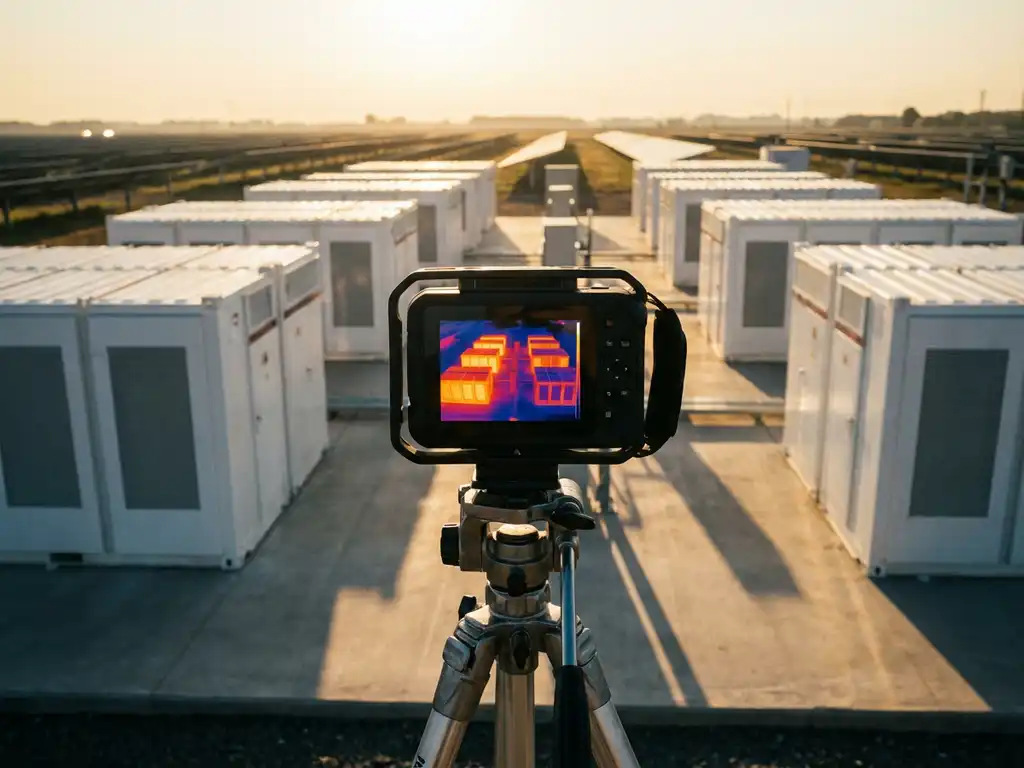
Thermische monitoringsystemen gebruiken infraroodcamera's en gedistribueerde temperatuursensoren om warmtekaarten van batterijinstallaties te maken. Deze systemen kunnen hotspots detecteren die kunnen duiden op elektrische storingen of problemen met koelsystemen voordat deze zichtbaar worden voor standaard monitoringapparatuur.
Milieumonitoring omvat vochtigheidssensoren, gasdetectiesystemen en luchtkwaliteitsmonitoren die omstandigheden kunnen identificeren die de degradatie van batterijen kunnen versnellen of veiligheidsrisico's kunnen creëren. Vibratie-analyse helpt bij het detecteren van mechanische problemen in koelsystemen, ventilatoren of structurele componenten die batterijinstallaties ondersteunen.
Data-analytische platforms integreren informatie uit alle monitoringsystemen om uitgebreide voorspellende modellen te creëren. Deze platforms gebruiken machine learning om subtiele patronen te identificeren die menselijke operators misschien missen en kunnen storingen weken of maanden voordat ze optreden voorspellen.
Hoeveel kan predictief onderhoud de operationele kosten van BESS verminderen?
Voorspellend onderhoud kan de exploitatiekosten van BESS met 20–30% verlagen in vergelijking met reactieve onderhoudsmethoden, voornamelijk door minder stilstand, een langere levensduur van de apparatuur en een geoptimaliseerde onderhoudsplanning. De exacte besparingen zijn afhankelijk van de omvang van het systeem, de toepassing en de geavanceerdheid van het voorspellende onderhoudsprogramma.
De grootste kostenbesparingen komen voort uit het voorkomen van ongeplande stilstand. Noodreparaties vereisen vaak dure spoedverzending van onderdelen en overwerk, en kunnen leiden tot aanzienlijke omzetverliezen voor systemen die netdiensten of piekbelasting voorzien. Voorspellend onderhoud stelt operators in staat om reparaties in te plannen tijdens geplande onderhoudsvensters, wanneer vervangende onderdelen en gespecialiseerde technici gemakkelijk beschikbaar zijn.
Een langere levensduur van de apparatuur vormt een andere belangrijke bron van besparingen. Door de laadcycli te optimaliseren, oververhitting te voorkomen en kleine problemen aan te pakken voordat ze ernstige schade veroorzaken, kan preventief onderhoud de levensduur van de accu met 15–25% verlengen. Voor grote commerciële BESS-installaties kan dit leiden tot honderdduizenden dollars aan vermeden vervangingskosten.
Verbeteringen in onderhoudsefficiëntie verlagen de arbeidskosten doordat monteurs met de juiste onderdelen en gereedschappen voor specifieke problemen arriveren. In plaats van tijd te besteden aan het diagnosticeren van problemen ter plaatse, bieden voorspellende systemen gedetailleerde informatie over benodigde reparaties, waardoor onderhoudsbronnen efficiënter kunnen worden ingezet.
Wat moet u doen wanneer de waarschuwingen voor voorspellend onderhoud potentiële problemen identificeren?
Wanneer meldingen van voorspellend onderhoud potentiële problemen identificeren, moet de onmiddellijke reactie bestaan uit het verifiëren van de melding via secundaire monitorsystemen, het beoordelen van de ernst en de tijdlijn voor interventie, en het implementeren van passende beschermingsmaatregelen terwijl correctieve acties worden gepland.
Controle van waarschuwingen is cruciaal, omdat valse positieven kunnen leiden tot onnodige onderhoudskosten. Kruisverwijs de waarschuwing met andere monitorsystemen, bekijk recente operationele gegevens en controleer op externe factoren die de afwijking kunnen verklaren. Veel voorspellende systemen geven vertrouwensniveaus voor hun waarschuwingen, wat helpt bij het prioriteren van reacties.
Risicobeheer Beoordeling bepaalt de urgentie van de benodigde reactie. Kritieke waarschuwingen die duiden op onmiddellijke veiligheidsrisico's vereisen noodprocedures, inclusief noodzakelijke systeemuitschakeling. Minder urgente waarschuwingen kunnen geplande onderhoudswerkzaamheden toestaan tijdens geplande stilstand. Houd rekening met de mogelijke gevolgen van vertraagde actie, inclusief veiligheidsrisico's, financiële impact en wettelijke vereisten.
Beschermende maatregelen kunnen het aanpassen van operationele parameters om de stress op getroffen componenten te verminderen, het verhogen van de frequentie van het monitoren van gerelateerde systemen, of het implementeren van tijdelijke operationele beperkingen omvatten. Voor batterijsystemen kan dit betekenen dat de laad-/ontlaadsnelheden worden verlaagd, de ontladingsdiepte wordt beperkt, of dat verbeterde koelsystemen worden geactiveerd.
Documentatie en trendanalyse helpen bij het verbeteren van de nauwkeurigheid van toekomstige voorspellend onderhoud. Registreer alle waarschuwingen, genomen acties en resultaten om voorspellende modellen te verfijnen en nauwkeurigere onderhoudsschema's voor vergelijkbare systemen op te stellen.
Hoe Solarif helpt bij preventief onderhoud van BESS
We begrijpen dat effectief predictief onderhoud essentieel is voor de bescherming van uw BESS-investering en het waarborgen van een betrouwbare werking. Als verzekering makelaar gespecialiseerd in projecten voor hernieuwbare energie, werken we samen met klanten om uitgebreide risicobeheerstrategieën te implementeren die vereisten voor voorspellend onderhoud en ondersteunende systemen omvatten.
Onze diensten omvatten:
- Risicobeoordelingen die uw huidige voorspellende onderhoudsmogelijkheden evalueren en verbeterpunten identificeren
- Verzekeringsoplossingen die uitgebreide voorspellende onderhoudsprogramma's erkennen en belonen met gunstige voorwaarden
- Kwaliteitsinspecties die verifiëren dat voorspellende onderhoudssystemen correct zijn geïnstalleerd en effectief functioneren
- Verbindingen met gecertificeerde onderhoudsleveranciers en specialisten op het gebied van monitoringtechnologie via ons industriële netwerk
We zien verzekeraars steeds vaker betere voorwaarden bieden voor BESS-installaties met robuuste programma's voor voorspellend onderhoud, aangezien deze systemen significant lagere risicoprofielen vertonen. Onze expertise helpt ervoor te zorgen dat uw onderhoudsstrategieën voldoen aan zowel operationele vereisten als verzekeringsverwachtingen.
Klaar om uw onderhoudsstrategie voor BESS te optimaliseren en uw investering te beschermen? Neem contact op met onze specialisten in duurzame energie vandaag om te bespreken hoe uitgebreid risicobeheer de betrouwbaarheid van uw systeem kan verbeteren en de operationele kosten kan verlagen.
Behoefte aan verzekeringen en Scope inspecties voor je BESS?
Neem vandaag nog contact met ons op als je meer wil weten over de mogelijkheden voor BESS verzekeringen en Scope inspecties.
E-mail: support@solarif.com
☎️ Telefoon: +31 (0)26 711 5050