



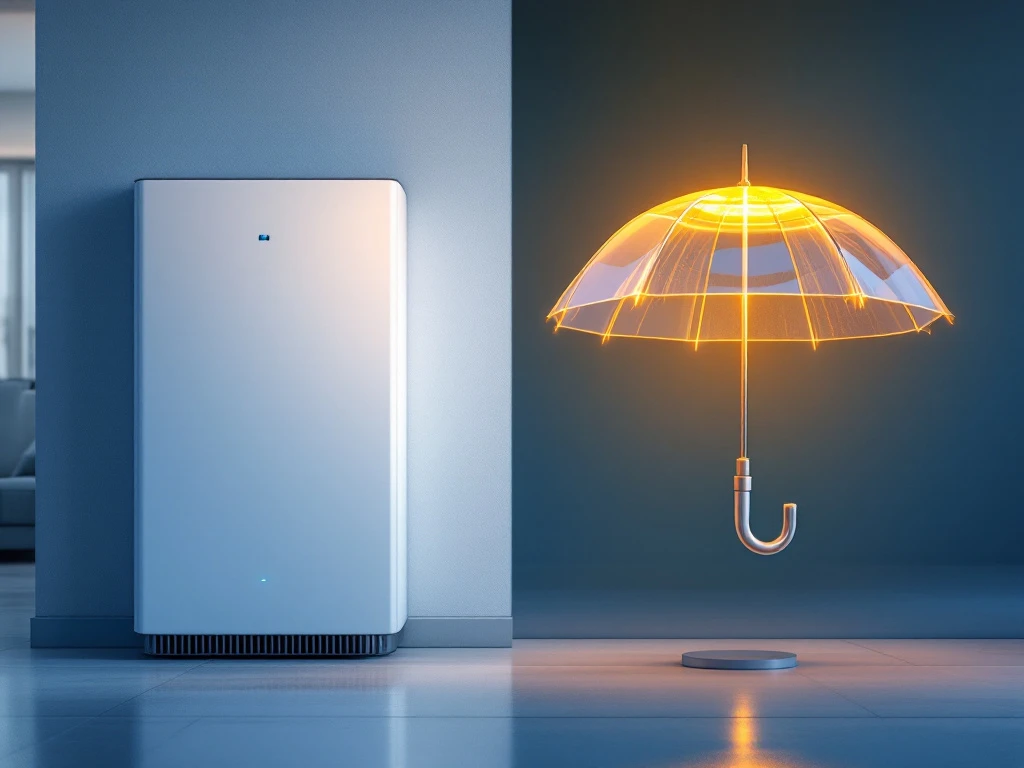
Moet je je thuisaccu-opslagsysteem verzekeren?
Batterijopslagverzekering provides comprehensive protection for commercial energy storage systems against equipment damage, fire, theft, and liability risks. While standard commercial property insurance may offer basic coverage, dedicated battery storage insurance ensures complete protection including performance guarantees and specialised risks. Given the substantial investment in these systems and their role in renewable energy projects, proper insurance coverage is essential for protecting your business interests.
What exactly does home battery storage insurance cover?
Battery storage insurance covers equipment damage from weather events, electrical faults, fire incidents, theft of components, and third-party liability claims. Most policies include coverage for the battery modules themselves, power conversion systems, energy management software, and associated electrical infrastructure. Fire protection is particularly crucial given the thermal risks associated with lithium-ion battery systems.
Standard commercial property insurance often excludes or limits coverage for energy storage systems due to their specialised nature and risk profile. Many insurers require Scope 12 inspecties before providing coverage for commercial battery installations. These technical inspections assess the safety and compliance of the installation, helping insurers understand and price the risk appropriately.
Coverage typically extends to business interruption losses when your battery system cannot operate due to covered damage. This protects against lost revenue from energy arbitrage opportunities, peak shaving benefits, or grid services contracts. Some policies also cover the costs of temporary replacement power during repairs.
Performance guarantees may be included for situations where covered damage affects the system’s energy storage capacity or discharge capabilities. However, normal battery degradation over time is typically excluded from insurance coverage, as this falls under manufacturer warranties rather than insurable risks.
How much does battery storage insurance actually cost?
Battery storage insurance costs typically range from 0.5% to 2% of the system’s total value annually, depending on the installation’s risk profile and coverage requirements. System value, location exposure to weather risks, installation quality, and chosen coverage types all significantly influence premium calculations.
Standalone battery storage policies often provide more comprehensive coverage than adding coverage to existing commercial property insurance. However, endorsements to existing policies may be more cost-effective for smaller systems or when the battery storage represents a minor portion of overall business operations.
Premium factors include the battery technology type, with lithium iron phosphate (LFP) systems often receiving better rates than other lithium-ion chemistries due to their improved safety profile. Installation location matters significantly – systems in areas prone to severe weather, flooding, or high crime rates face higher premiums.
The quality of installation and maintenance also affects pricing. Systems with proper thermal management, fire suppression systems, and regular professional maintenance typically qualify for lower premiums. Insurers may offer discounts for systems that undergo regular technical inspections or meet specific safety standards.
What’s the difference between battery warranties and insurance coverage?
Battery warranties cover manufacturing defects and performance degradation over time, whilst insurance protects against external damage, theft, fire, and liability claims. Warranties typically guarantee that batteries will retain a certain percentage of capacity after a specified number of cycles or years of operation.
Manufacturer warranties focus on the battery cells and modules themselves, covering replacement or repair when components fail to meet performance specifications. These warranties usually exclude damage from external causes such as weather events, electrical surges from grid disturbances, or physical damage from accidents.
Insurance coverage fills the gaps that warranties cannot address. If lightning damages your power conversion system, a fire affects your battery enclosure, or theft occurs, warranties provide no protection. Insurance also covers consequential losses like business interruption, which warranties never include.
Both protection types are necessary for complete coverage. Warranties ensure your investment performs as expected under normal operating conditions, while insurance protects against unexpected external risks that could result in total loss or significant business disruption.
The interaction between warranties and insurance can be complex. Some situations may involve both coverage types, requiring coordination between warranty claims and insurance settlements to avoid gaps or overlaps in protection.
What are the biggest risks to home battery storage systems?
Weather-related damage poses the greatest risk to battery storage systems, particularly from flooding, hail, and extreme temperatures. Electrical issues including grid disturbances, power surges, and internal system faults represent another major risk category that can cause expensive component failures.
Fire hazards require special attention with lithium-ion battery systems due to the potential for thermal runaway events. Thermal runaway in lithium-ion batteries occurs when temperatures reach their critical thermal threshold, which varies depending on the battery chemistry often ranging from around 130°C for NMC cells to up to 250°C for LFP cells. This reaction can cause fires that spread rapidly and release toxic gases such as hydrogen fluoride (HF) and carbon monoxide (CO). Proper thermal management systems and fire suppression equipment are essential, but the risk cannot be eliminated entirely. Even well-designed systems can experience failures that lead to fire damage.
Theft of valuable battery components has increased as these systems become more common. Battery modules contain expensive materials and can be relatively easy to remove if security measures are inadequate. Copper wiring and power electronics also attract thieves due to their resale value.
Performance degradation beyond normal expectations can occur due to poor installation, inadequate maintenance, or operating conditions outside design parameters. While gradual degradation is normal, premature capacity loss can significantly impact the system’s financial returns.
Cyber security risks are emerging as battery storage systems become more connected and automated. Energy management systems that control charging and discharging cycles could potentially be compromised, leading to operational disruption or equipment damage.
When does it make financial sense to insure your battery system?
Insurance makes financial sense when the potential replacement cost exceeds your risk tolerance and available capital reserves. For commercial battery storage systems representing significant investments, insurance typically provides cost-effective protection compared to self-insuring against total loss scenarios.
Consider your existing coverage first. If your current commercial property insurance adequately covers battery storage risks at reasonable cost, additional standalone coverage may be unnecessary. However, many standard policies exclude or limit coverage for energy storage equipment.
The system’s role in your business operations affects the insurance decision. If battery storage is critical for peak shaving, backup power, or revenue generation through grid services, business interruption coverage becomes particularly valuable. The cost of lost opportunities during system downtime may far exceed repair costs.
Risk tolerance and financial capacity are key factors. Businesses that can absorb a complete system loss without significant operational impact may choose to self-insure. However, most commercial operations benefit from transferring these risks to insurers.
Insurance becomes more attractive as system values increase and when financing is involved. Lenders often require comprehensive insurance coverage to protect their interests, making insurance a necessity rather than an option for financed projects.
For businesses operating multiple battery storage installations, insurance provides portfolio-level protection against correlated risks that could affect multiple sites simultaneously, such as severe weather events or widespread grid disturbances.
Protecting your battery storage investment requires careful consideration of insurance options tailored to your specific system and business needs. Don’t leave your valuable energy storage assets vulnerable to unexpected risks. Neem vandaag nog contact met ons op to discuss comprehensive insurance solutions that safeguard your battery storage system and ensure peace of mind for your renewable energy investment.
Behoefte aan verzekeringen en Scope inspecties voor je BESS?
Neem vandaag nog contact met ons op als je meer wil weten over de mogelijkheden voor BESS verzekeringen en Scope inspecties.
E-mail: support@solarif.com
☎️ Telefoon: +31 (0)26 711 5050