



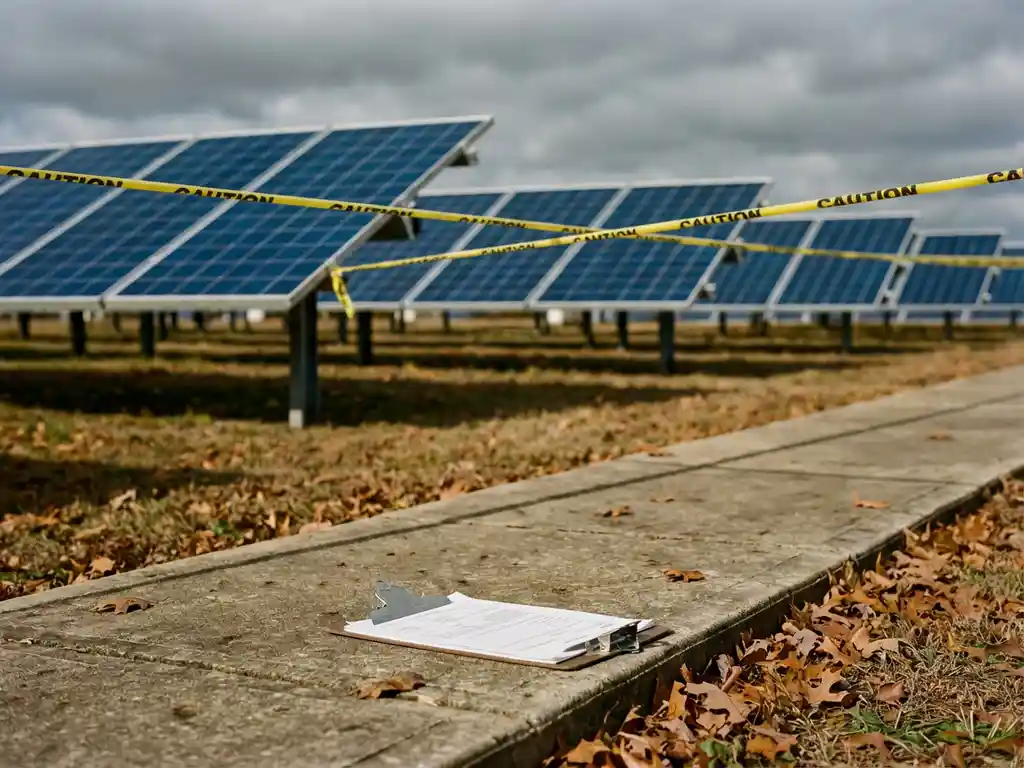
Wat is milieuaansprakelijkheid bij projecten voor hernieuwbare energie?
Environmental liability in renewable energy projects represents a critical risicobeheer concern that many project developers and investors underestimate. As solar installations and battery storage systems become more prevalent, understanding environmental liability becomes essential to protecting your investment and ensuring regulatory compliance. Unlike traditional liability coverage, environmental liability addresses specific risks related to pollution, contamination, and ecological damage that can arise during the construction, operation, or decommissioning phases.
For renewable energy stakeholders, including developers, investors, and EPC contractors, environmental liability can create significant financial exposure. A single contamination event or regulatory violation can result in cleanup costs, legal fees, and business interruption losses that standard verzekering policies simply don’t cover.
Wat is milieuaansprakelijkheid bij projecten voor hernieuwbare energie?
Environmental liability in renewable energy projects refers to the legal and financial responsibility for pollution, contamination, or environmental damage caused by project activities. This includes cleanup costs, regulatory fines, third-party claims, and remediation expenses that can arise from construction activities, equipment failures, or operational incidents.
Environmental liability encompasses several key areas of exposure. Construction activities can disturb soil, potentially releasing contaminants or causing erosion that affects nearby water sources. Solar panel manufacturing involves various chemicals that, if improperly handled during installation or maintenance, could lead to soil or groundwater contamination. Battery storage systems present additional risks, including potential electrolyte leakage or thermal runaway events that could release toxic substances.
Liability extends beyond immediate cleanup costs. Project owners may face regulatory compliance expenses, legal defense costs, and claims from neighboring property owners affected by contamination. Business interruption can occur if operations must halt during remediation, creating additional financial pressure on already complex project economics.
What types of environmental risks do renewable energy projects face?
Renewable energy projects face distinct environmental risks, including soil contamination during construction, groundwater pollution from equipment failures, toxic chemical releases from battery systems, and contaminated runoff from firefighting operations. These risks can trigger significant cleanup costs and regulatory penalties that standard liability policies exclude.
Solar projects present several specific environmental exposures. Ground-mounted installations require extensive excavation and grading that can disturb contaminated soil or create erosion patterns affecting nearby water bodies. The installation process involves cleaning solvents, adhesives, and other chemicals that could spill during construction. Inverter stations and electrical equipment contain oils and coolants that may leak over time, potentially contaminating soil and groundwater.
Battery Energy Storage Systems (BESS) introduce additional environmental risks that project stakeholders must carefully consider. Lithium-ion batteries contain electrolytes and other chemicals that can be toxic if released into the environment. Thermal runaway events, while rare, can cause fires that require specialized firefighting foam, potentially contaminating surrounding areas. Runoff from such firefighting operations can carry toxic substances into soil and water systems.
Operational risks continue throughout the project lifecycle. Regular maintenance activities involve hydraulic fluids, cleaning chemicals, and replacement components that create ongoing contamination potential. End-of-life decommissioning presents its own environmental challenges, particularly regarding the proper disposal of solar panels and battery components containing hazardous materials.
How does environmental liability insurance work for solar projects?
Environmental liability insurance for solar projects provides coverage for pollution-related cleanup costs, legal defense expenses, regulatory fines, and third-party claims arising from contamination events. The insurance typically covers both sudden and gradual pollution incidents, filling critical gaps left by standard commercial liability policies that exclude pollution coverage.
Coverage typically operates on either an occurrence basis or a claims-made basis, depending on the specific policy structure. Occurrence-based policies cover incidents that happen during the policy period, regardless of when claims are filed. Claims-made policies cover claims filed during the policy period for incidents that occurred after a specified retroactive date. This distinction becomes important for long-term solar projects, where contamination might not be discovered immediately.
The insurance addresses several cost categories that can quickly escalate environmental incidents into major financial exposures. Cleanup and remediation costs form the primary coverage component, including soil excavation, groundwater treatment, and site restoration. Legal defense costs cover attorney fees and expert witness expenses for defending against environmental claims or regulatory actions.
Regulatory compliance costs represent another crucial coverage element. When environmental incidents trigger regulatory investigations, project owners may face mandatory cleanup orders, monitoring requirements, and compliance audits that generate substantial expenses beyond basic remediation. Third-party liability coverage protects against claims from neighboring property owners or communities affected by migrating contamination.
What’s the difference between environmental liability and general liability coverage?
General liability policies typically exclude pollution coverage through standard pollution exclusions, while environmental liability insurance is designed to cover contamination events, cleanup costs, and regulatory compliance expenses. This creates a significant coverage gap that renewable energy projects must address through specialized environmental policies.
The exclusions in general liability policies are comprehensive and intentional. Insurance companies recognized early that pollution claims could create unlimited exposure, leading to standard exclusions for contamination-related incidents. These exclusions apply whether contamination occurs suddenly through an accident or gradually through normal operations.
Environmental liability policies use different policy triggers and coverage approaches. While general liability often operates on an occurrence basis for incidents during the policy period, environmental liability may include claims-made provisions that extend coverage for incidents discovered years later. This extended discovery period is essential for contamination that may not surface immediately.
Coverage scope also differs significantly between the two policy types. General liability focuses on bodily injury and property damage from immediate incidents, while environmental liability addresses the complex, long-term nature of contamination events. Environmental policies include coverage for regulatory actions, monitoring costs, and specialized remediation techniques that general liability would never contemplate covering.
Who is responsible for environmental liability in renewable energy projects?
Responsibility for environmental liability typically falls on project owners, developers, and operators, though EPC contractors and equipment manufacturers may share liability depending on contractual arrangements and the specific cause of contamination. Multiple parties often bear joint and several liability for environmental incidents, making comprehensive insurance coverage essential for all stakeholders.
Project owners generally bear primary responsibility for environmental liability throughout the project lifecycle. This includes liability for pre-existing contamination discovered during construction, contamination caused by project activities, and ongoing operational incidents. Even when contractors perform the work that causes contamination, property owners often retain ultimate liability under environmental regulations.
EPC contractors face significant environmental exposure during construction phases. Their activities directly disturb soil, handle hazardous materials, and operate equipment that could cause spills or releases. Contractual arrangements may attempt to shift liability between owners and contractors, but environmental regulations often impose joint and several liability regardless of contractual provisions.
Equipment manufacturers and suppliers can face liability for contamination caused by defective products or improper disposal of manufacturing byproducts. Battery manufacturers, in particular, may bear responsibility for contamination caused by electrolyte leakage or thermal runaway events if these result from design defects or manufacturing flaws.
Investors and lenders also face potential environmental liability exposure. While they may not directly cause contamination, their involvement in project ownership or control can trigger liability under environmental statutes designed to ensure responsible parties pay cleanup costs.
How much does environmental liability insurance cost for renewable projects?
Environmental liability insurance costs for renewable projects typically range from 0.1% to 0.5% of total project value, depending on project size, location, environmental risk factors, and coverage limits. Larger projects often achieve better rates due to economies of scale, while projects in environmentally sensitive areas or with complex battery storage systems may face higher premiums.
Several factors influence premium calculations for renewable energy projects. Project location plays a crucial role, with sites near water sources, in flood zones, or with known soil contamination commanding higher rates. The presence of Battery Energy Storage Systems increases premiums due to additional chemical exposure risks and potential thermal runaway scenarios.
Coverage limits significantly impact premium costs. Basic coverage starting at $1 million may suffice for smaller distributed projects, while utility-scale installations often require $10 million or higher limits. The relationship between limits and premiums is not linear, with the first few million dollars of coverage representing the highest per-dollar cost.
Risk management measures can help control premium costs. Projects with comprehensive environmental management plans, regular monitoring programs, and proven contamination-prevention systems often qualify for reduced rates. As an insurance broker specializing in renewable energy projects, we find that insurers sometimes offer lower premiums for installations with robust environmental controls or may decline to insure projects that lack adequate protection systems.
How Solarif helps with environmental liability coverage
We specialize in environmental liability insurance solutions specifically designed for renewable energy projects. Our expertise in the zonne and storage sectors enables us to identify environmental risks that generic insurance brokers often miss, ensuring comprehensive protection for your investment.
Our environmental liability services include:
- Risk assessment and exposure analysis for solar and battery storage projects
- Customized environmental liability policies that address renewable energy-specific risks
- Claims support and risk management guidance throughout project lifecycles
- Integration with our comprehensive renewable energy insurance portfolio
- Regulatory compliance assistance and environmental monitoring recommendations
With over 15 years of experience in renewable energy insurance and 3.8 GW of insured capacity, we understand the environmental challenges facing modern solar and storage projects. Our specialized approach ensures you receive appropriate coverage at competitive rates while maintaining the flexibility to adapt as environmental regulations evolve.
Ready to protect your renewable energy project against environmental liability risks? Contact our environmental insurance specialists today for a comprehensive risk assessment and a customized coverage proposal.
Behoefte aan verzekeringen en Scope inspecties voor je BESS?
Neem vandaag nog contact met ons op als je meer wil weten over de mogelijkheden voor BESS verzekeringen en Scope inspecties.
E-mail: support@solarif.com
☎️ Telefoon: +31 (0)26 711 5050